
The release of YD/T 814.1-2025, the updated industry standard for outdoor fiber optic splice closures, marks an important step forward for telecom infrastructure projects. As fiber networks continue to expand into more demanding outdoor environments, project contractors and network operators now face stricter requirements for closure reliability, sealing performance, and long-term durability.
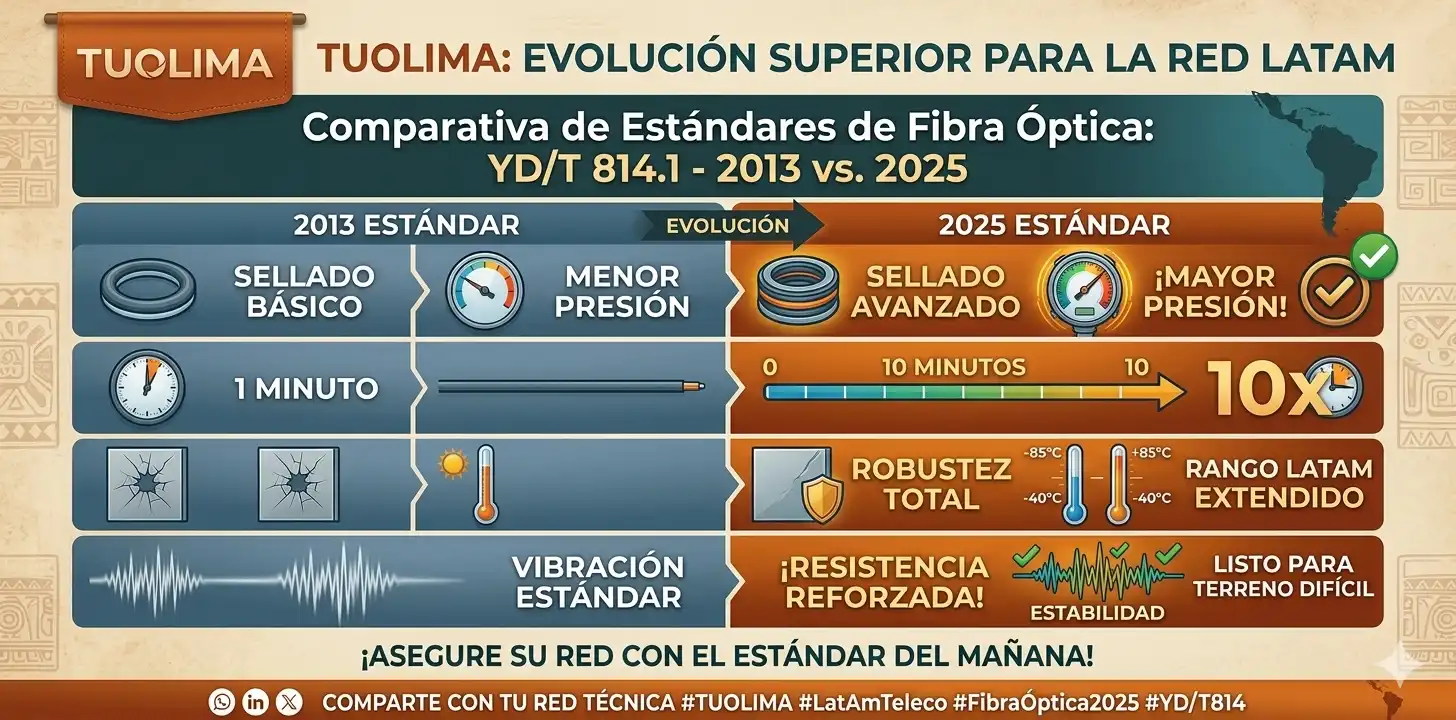
Compared with the 2013 version, the new standard introduces more rigorous testing conditions for waterproof performance, mechanical strength, pressure resistance, low-temperature impact, and environmental stability. These upgrades reflect the growing demand for fiber closure solutions capable of withstanding complex field conditions while maintaining network integrity.
Why the New Standard Matters
Outdoor fiber splice closures play a critical role in protecting fiber connections from moisture, mechanical stress, and environmental damage. In large-scale telecom deployments, poor closure performance can lead to signal loss, maintenance costs, and network downtime.
The updated YD/T 814.1-2025 standard raises the technical benchmark to ensure that closures can perform reliably in modern telecom applications such as:
- FTTH access networks
- Backbone fiber deployment
- Rural broadband expansion
- Harsh outdoor installations
For contractors and project managers, compliance with the latest standard is increasingly important when selecting infrastructure components for long-term network reliability.
Key Improvements in YD/T 814.1-2025
The new standard strengthens several critical performance indicators for outdoor fiber splice closures:
- Improved sealing requirements for enhanced waterproof reliability
- Higher pressure resistance standards for mechanical durability
- Longer compression endurance tests
- Stricter impact resistance verification
- Enhanced low-temperature performance testing
- More demanding vibration and bending resistance requirements
These enhancements are designed to ensure stable closure performance under demanding outdoor conditions, reducing the risk of failure in the field.
Higher Standards for More Reliable Fiber Networks
As telecom infrastructure expands into remote and challenging environments, fiber splice closures must deliver stronger resistance to moisture, temperature fluctuation, and physical stress.
Closures built to meet upgraded standards provide:
- Better network protection
- Lower maintenance frequency
- Improved service continuity
- Longer infrastructure lifespan
This is especially valuable in projects where closures are exposed to rain, dust, heat, cold, and repeated mechanical stress over time.
Tuolima Fiber Splice Closures for Modern Network Demands
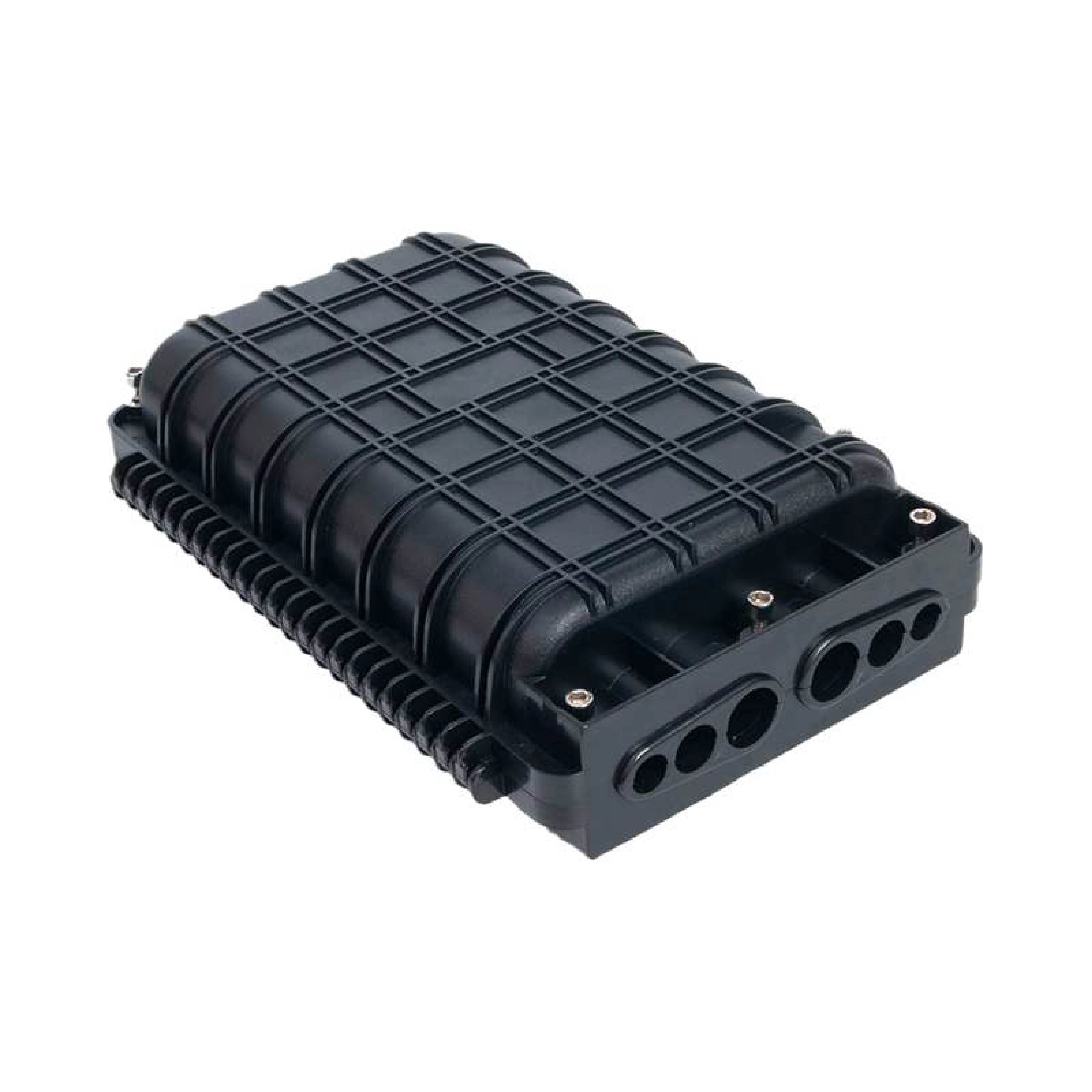
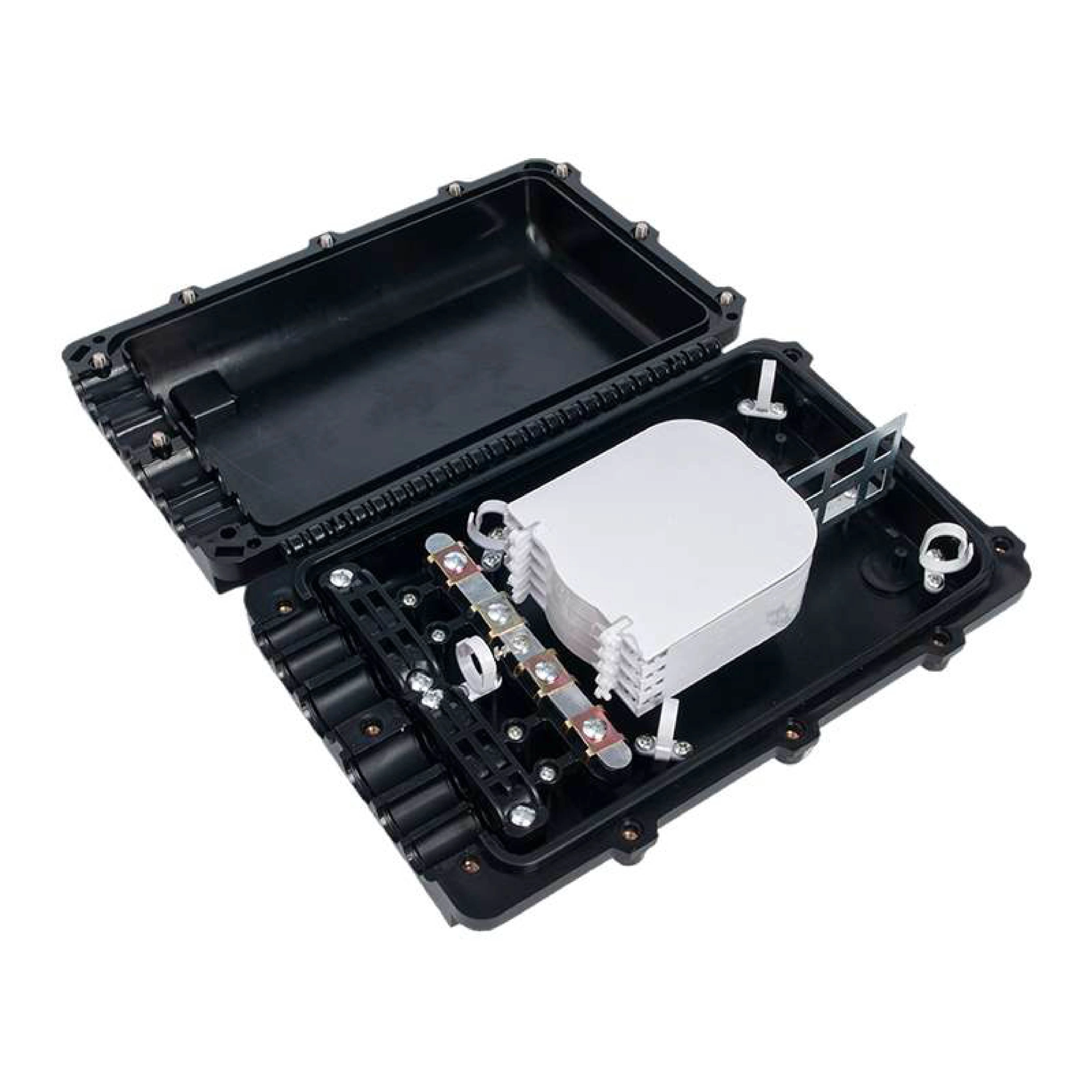
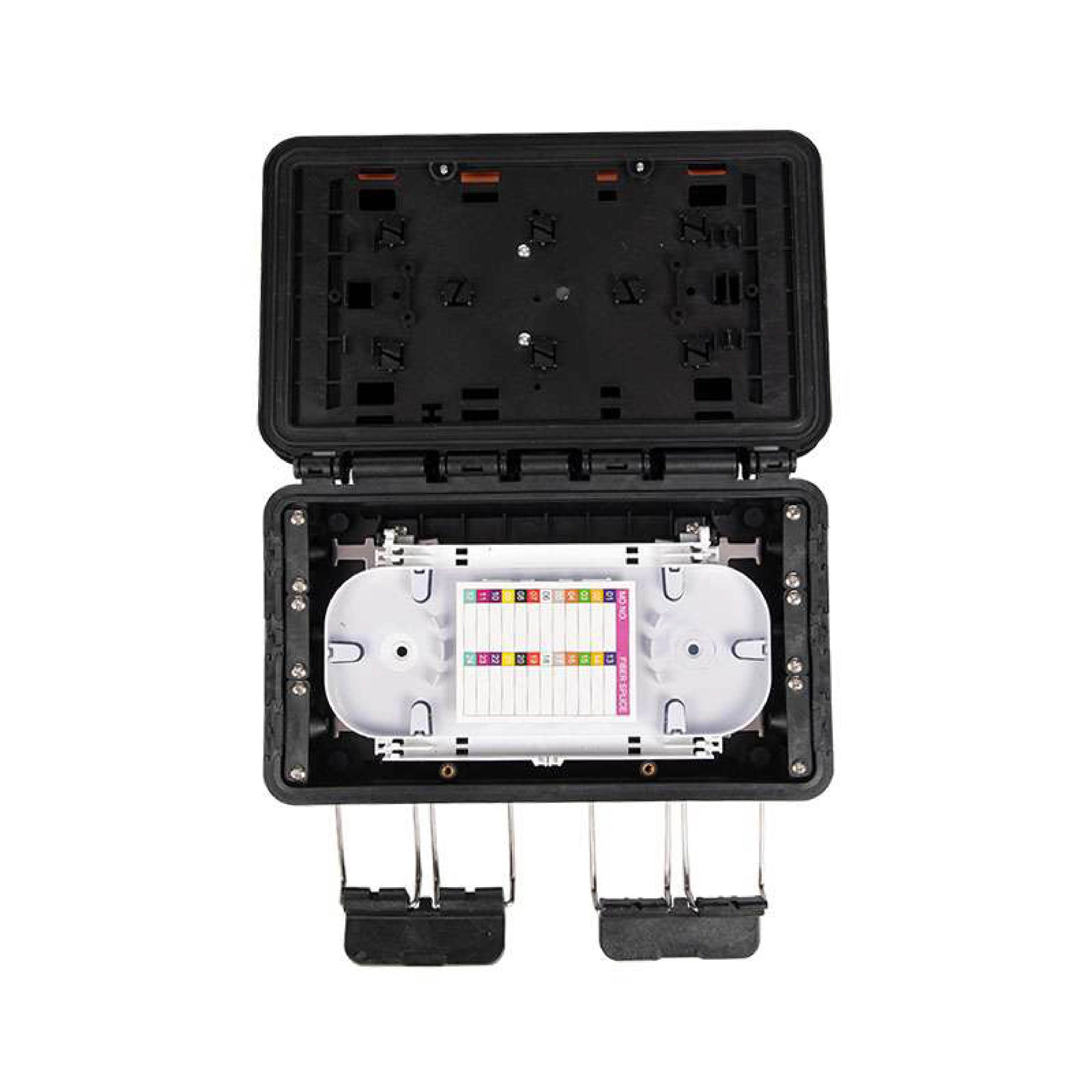
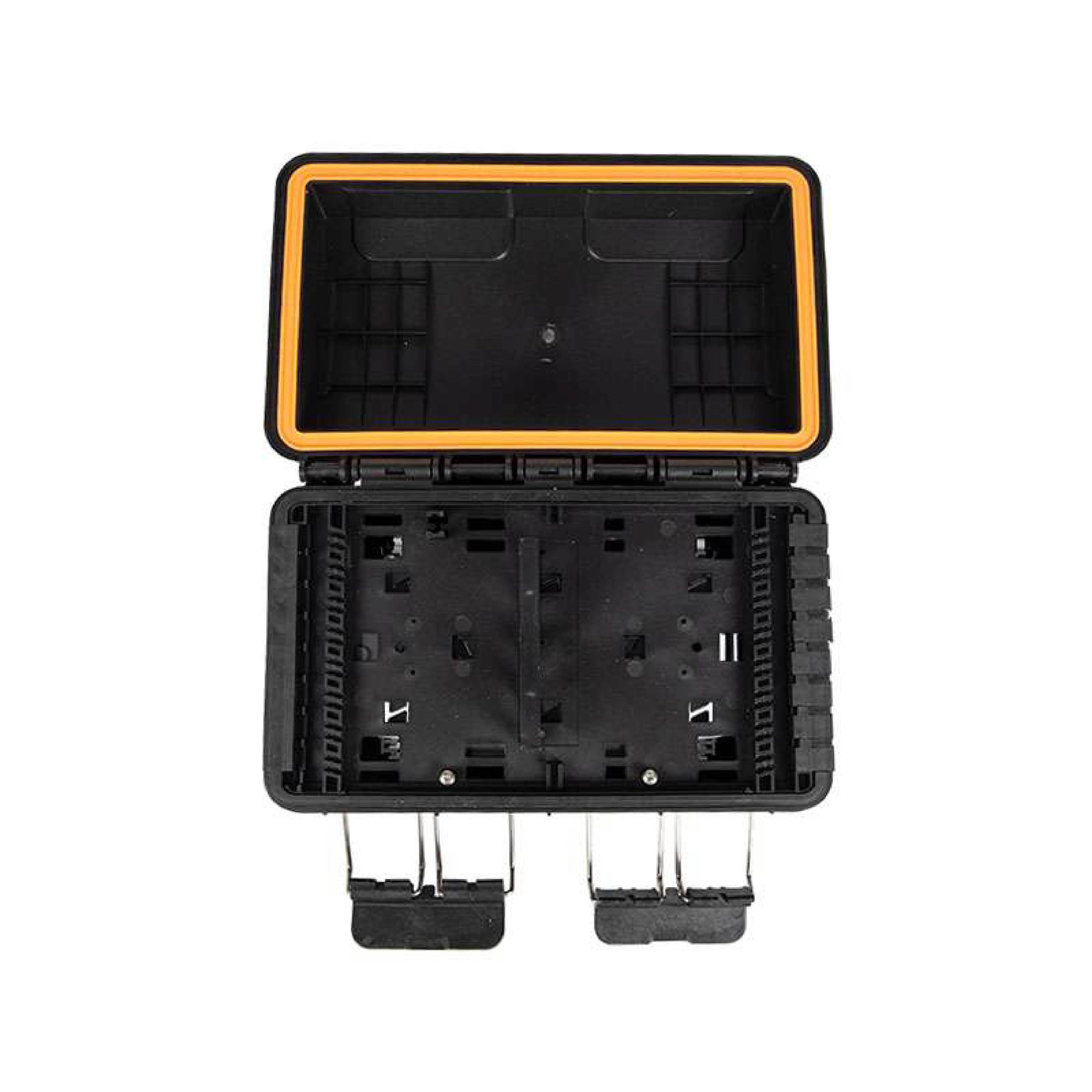
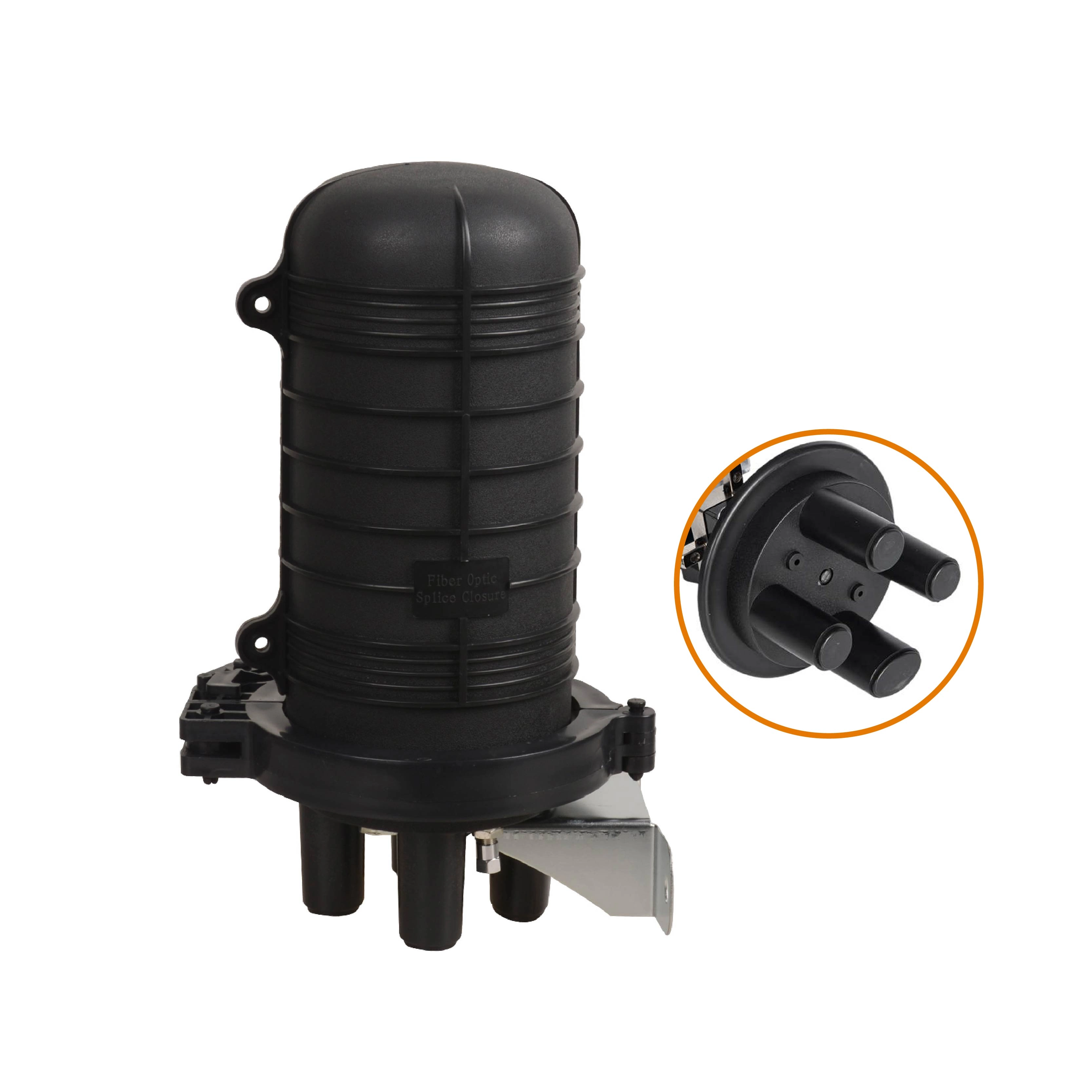
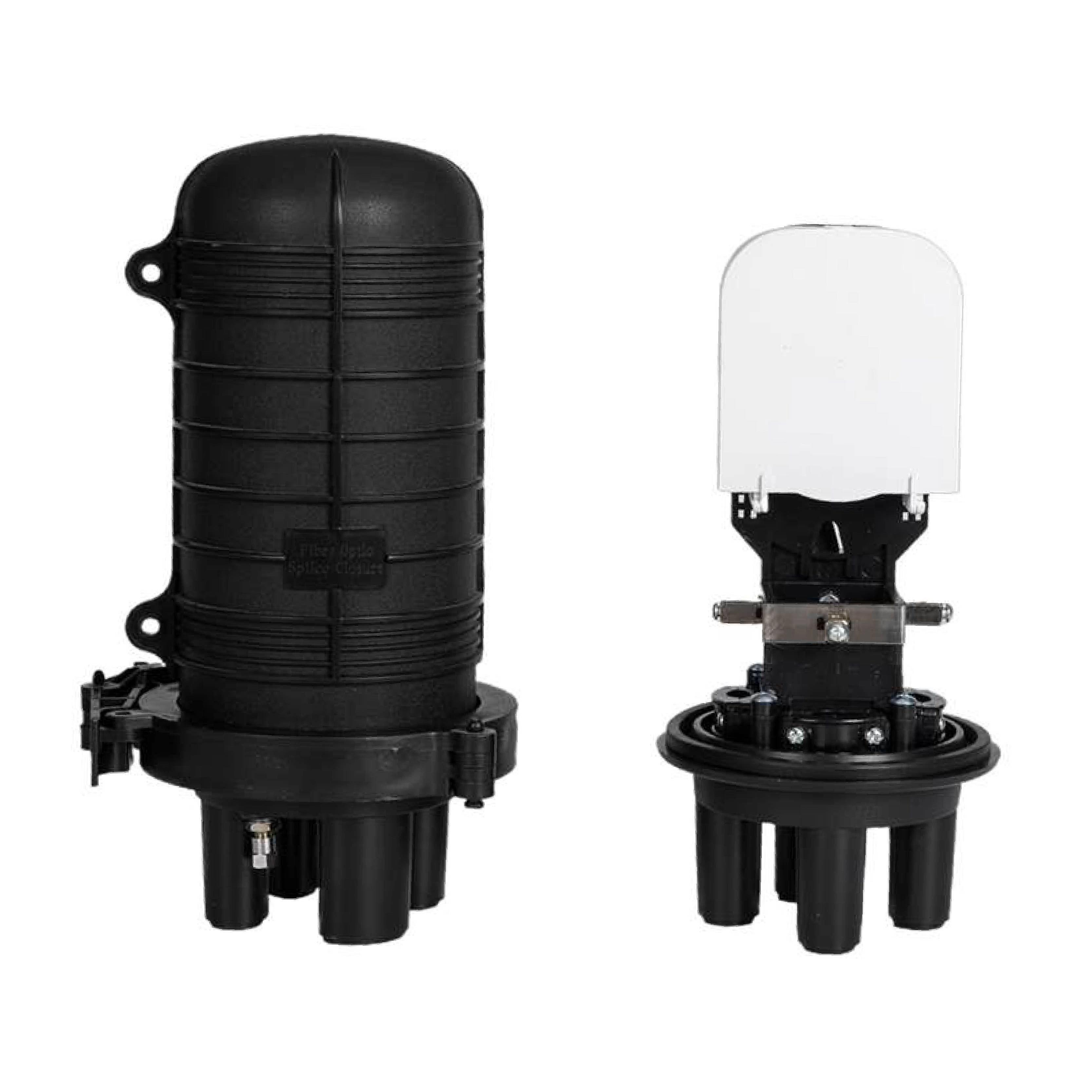
At Tuolima, our outdoor fiber optic splice closures are engineered to meet the increasing demands of modern telecom infrastructure. Designed for high sealing performance and robust mechanical protection, our closures support stable fiber connections across diverse installation environments.
Key features include:
- Reliable waterproof sealing structure
- High-strength impact-resistant housing
- Excellent temperature resistance
- Durable performance in harsh outdoor applications
- Flexible capacity options for various network architectures
These features help telecom contractors build more reliable and future-ready fiber networks while aligning with evolving industry requirements.
Preparing for Future Network Expansion
The implementation of YD/T 814.1-2025 signals a clear industry trend: outdoor network components must deliver higher reliability under stricter technical standards.
For project managers and procurement teams, choosing compliant, high-performance fiber splice closures is no longer optional—it is essential for ensuring long-term network stability and reducing lifecycle costs.
As standards continue to evolve, investing in reliable fiber closure solutions today helps secure the performance of tomorrow’s telecom networks.
FAQ
1. What is YD/T 814.1-2025 for fiber splice closures?
YD/T 814.1-2025 is the updated industry standard that defines technical requirements and testing methods for outdoor fiber optic splice closures.
2. Why is the new fiber splice closure standard important?
It introduces stricter requirements for waterproofing, impact resistance, and environmental durability to improve long-term network reliability.
3. How do I choose a compliant outdoor fiber splice closure?
Select closures with strong sealing, mechanical durability, temperature resistance, and compliance with the latest telecom engineering requirements.