
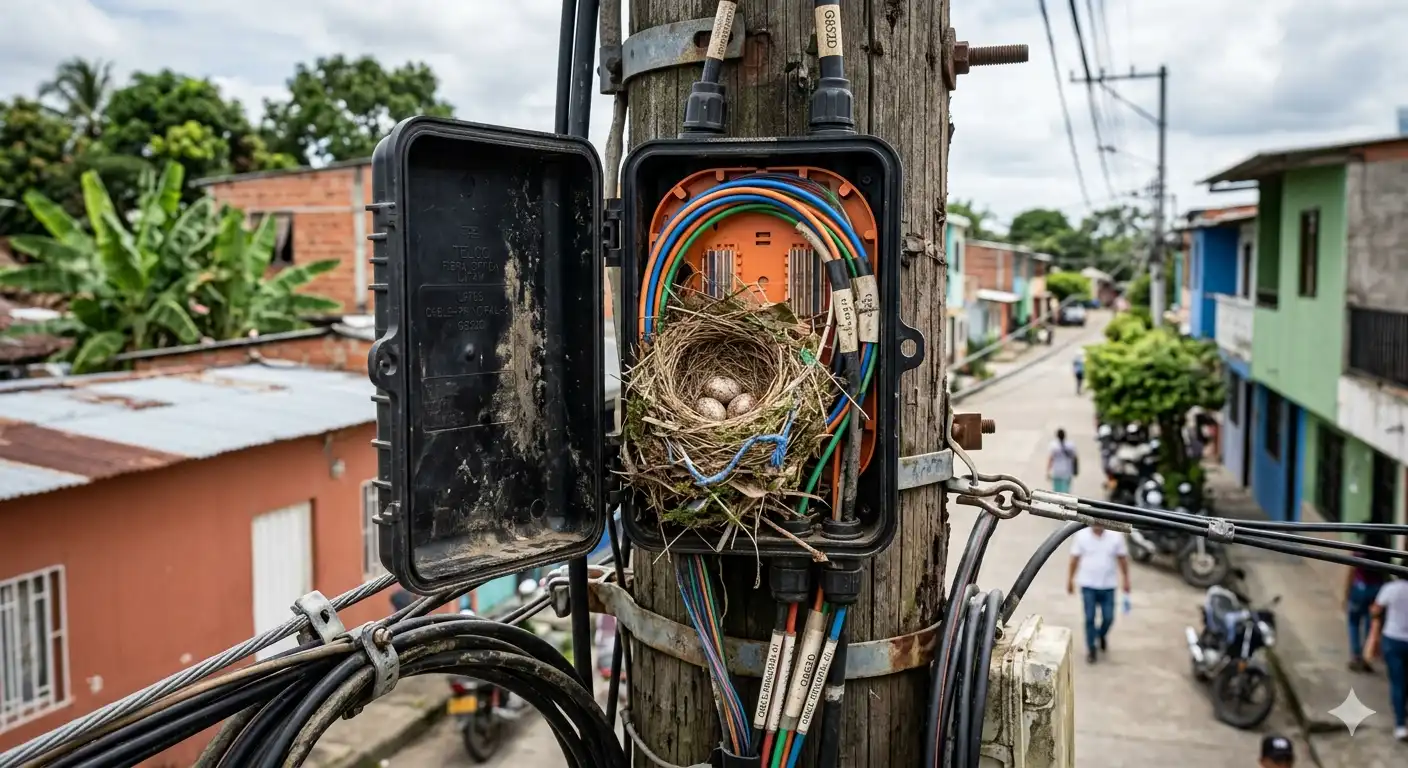
Fiber optic networks are designed to deliver high-speed, reliable communication in outdoor environments. When outages occur, most operators immediately suspect familiar causes such as construction damage, equipment failure, or installation errors.
However, not all fiber failures come from technical problems.
In many outdoor deployments, one of the most overlooked threats to network reliability comes from animals entering fiber optic closures. Birds, rodents, and even insects can damage critical fiber infrastructure, leading to signal loss, service interruptions, and costly maintenance.
Understanding how this happens is essential for building a more resilient network.
Common Causes of Fiber Optic Network Outages
Outdoor fiber optic networks face a variety of risks. The most common causes of outages include:
- Construction accidents damaging underground cables
- Extreme weather affecting aerial infrastructure
- Poor splicing or installation errors
- Equipment aging or connector failure
These issues are widely recognized and usually considered during network planning.
But another cause often goes unnoticed:
Animal intrusion inside fiber optic closures and terminal boxes
Unlike cable cuts or equipment alarms, animal-related failures are difficult to detect remotely. From the network operations center, the outage may look like an ordinary signal interruption, while the actual cause is hidden inside the closure.
This makes prevention especially important.
How Animals Damage Fiber Optic Closures
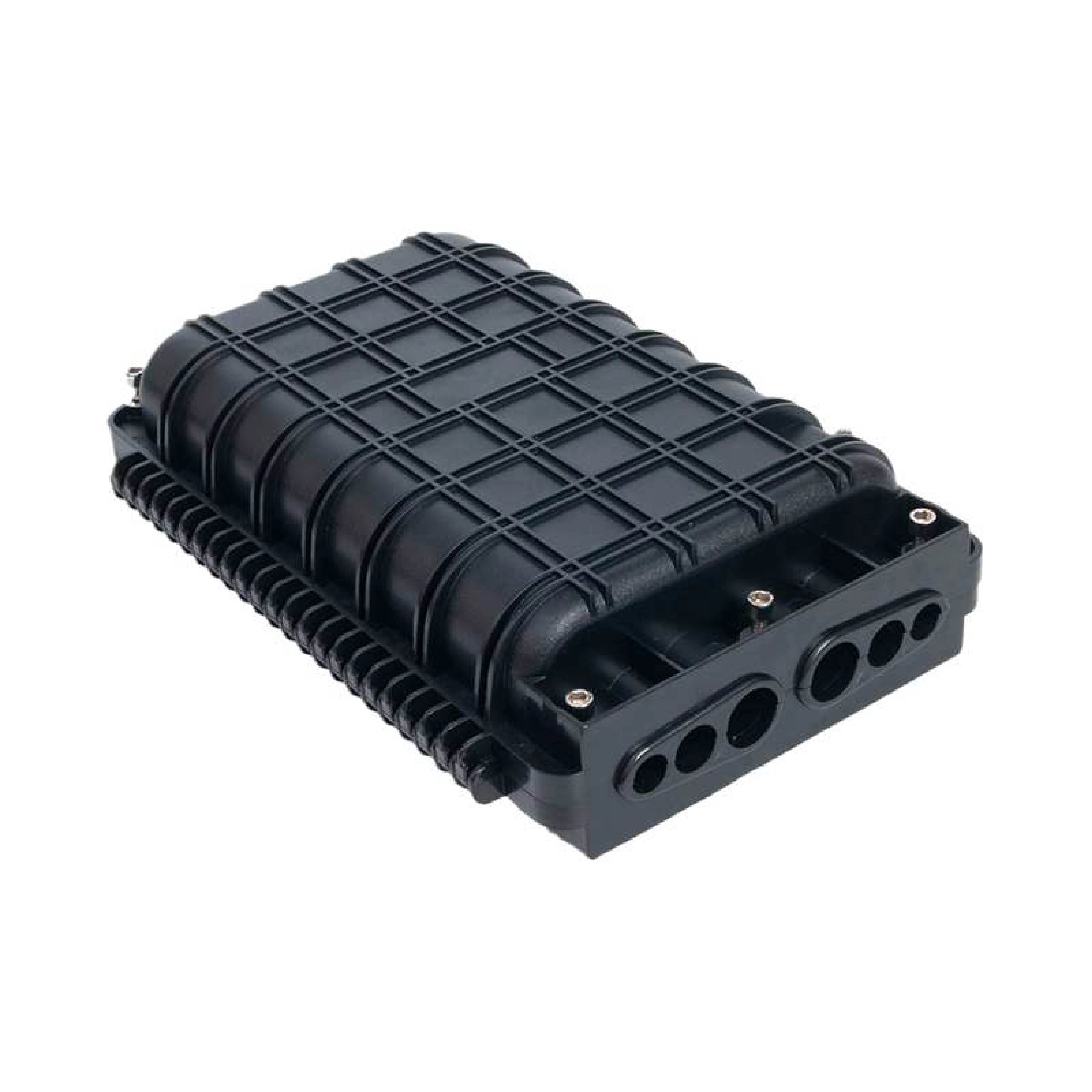
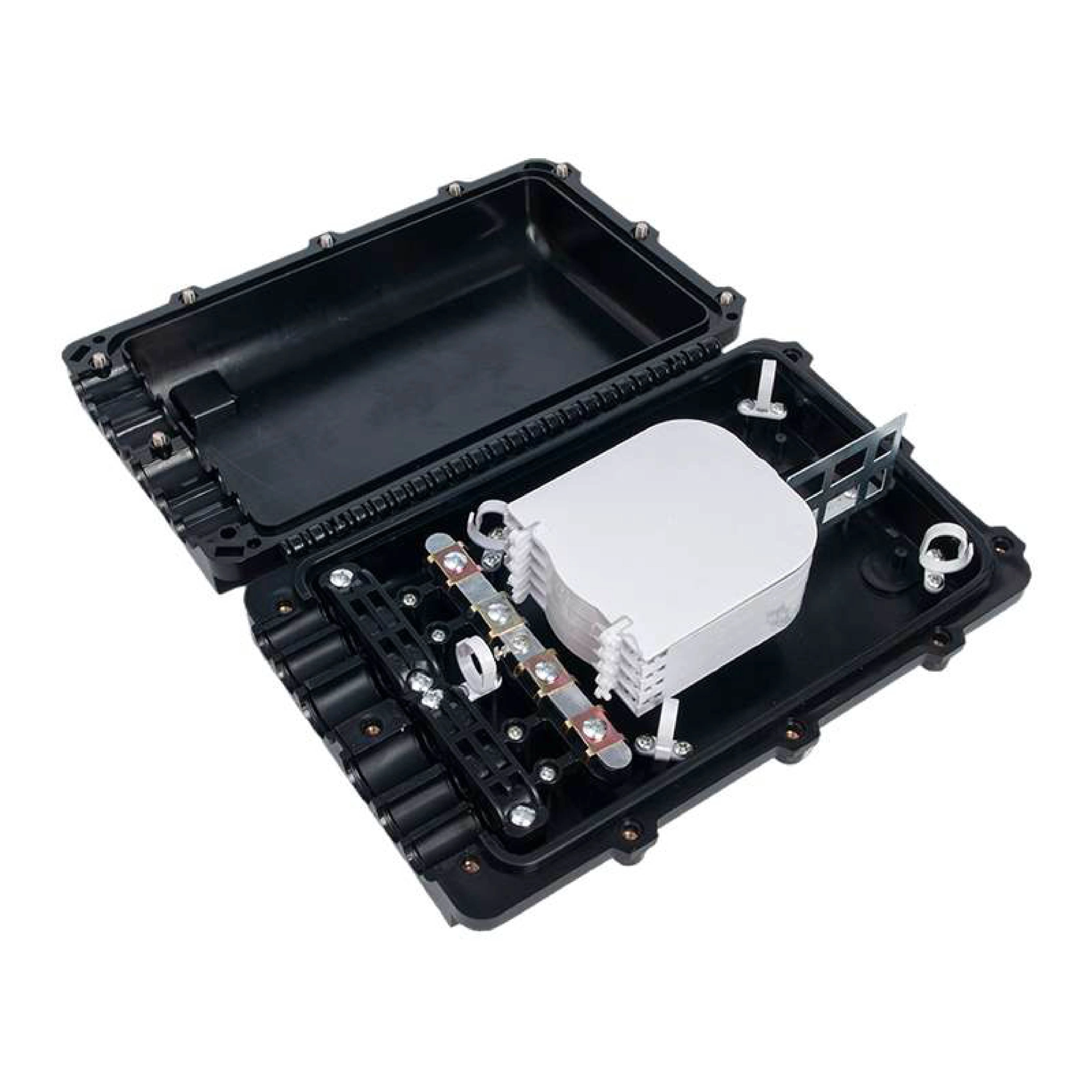
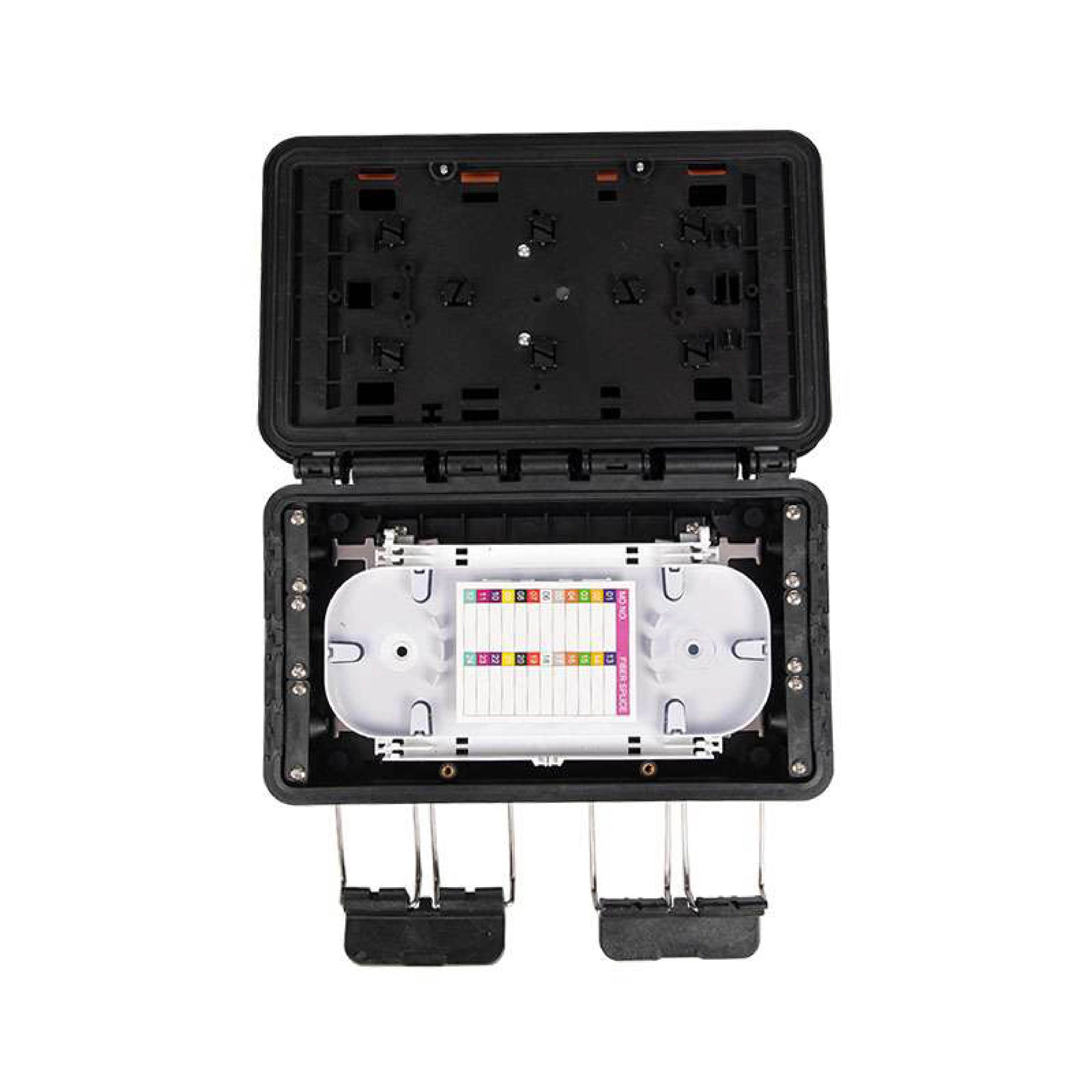
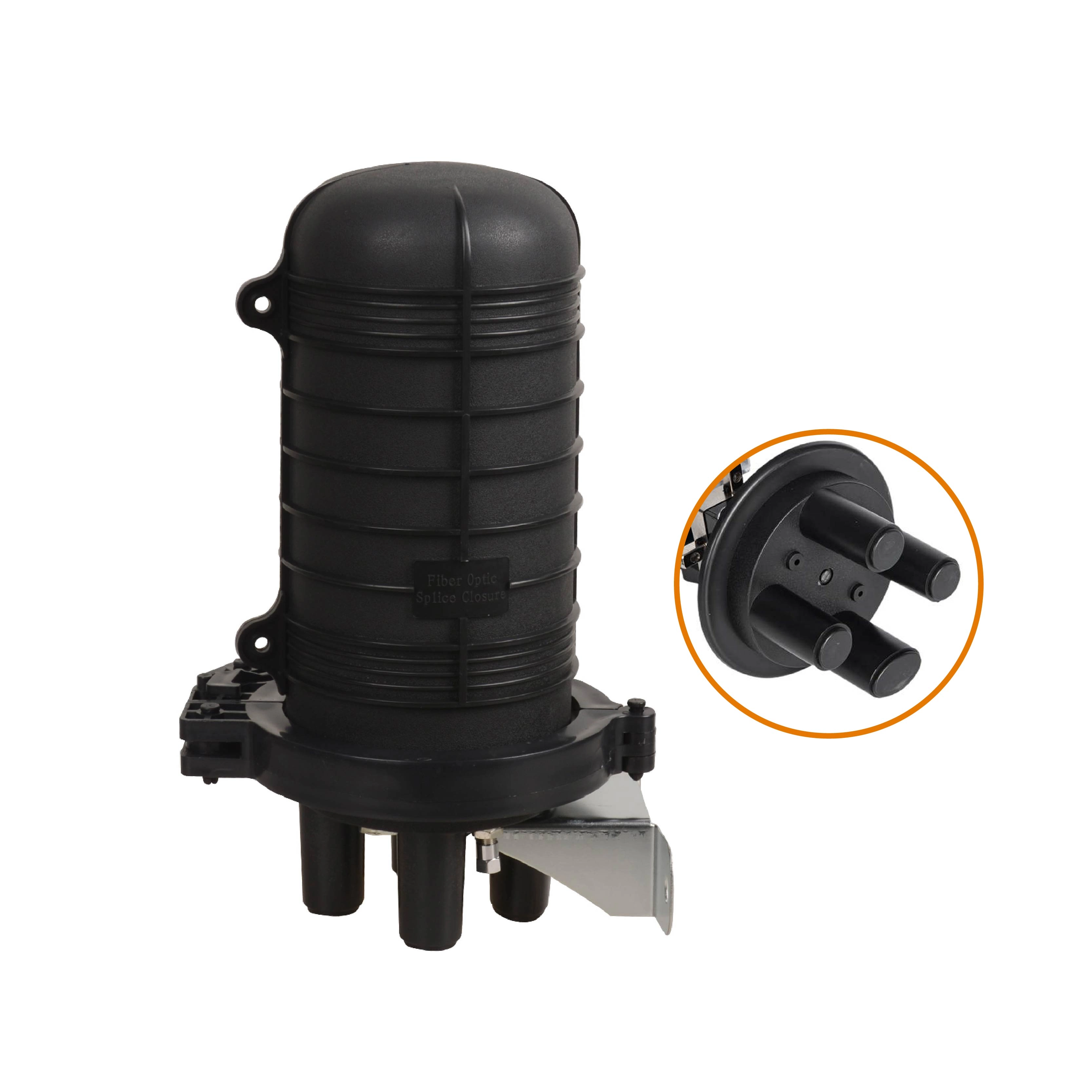
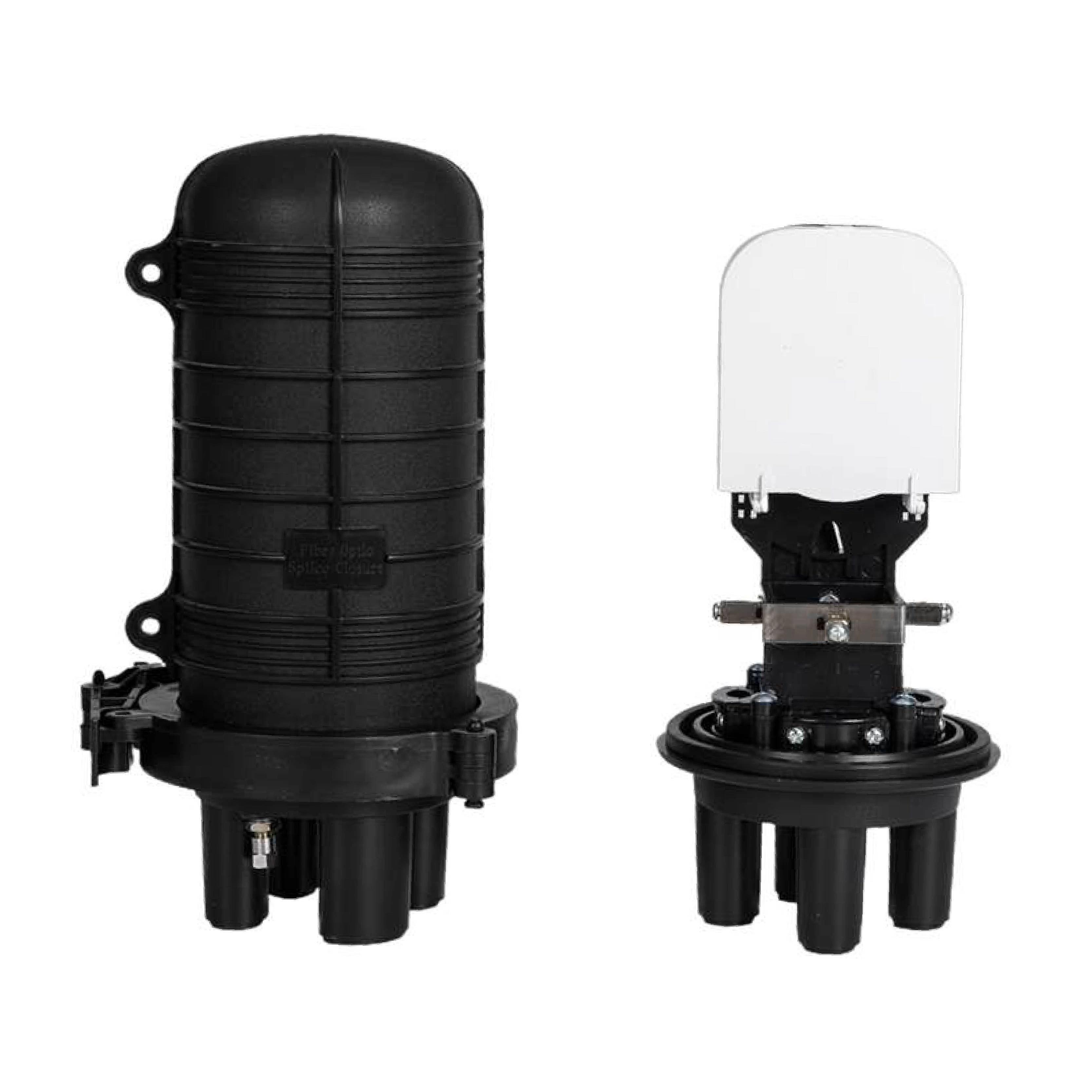
Outdoor fiber optic splice closures and distribution boxes are often installed on poles, walls, or underground routes. These enclosures are designed to protect fiber splices from environmental hazards.
But when sealing is inadequate, they can become attractive shelters for animals.
Birds may build nests inside poorly sealed closures because the enclosure offers:
- Warmth
- Protection from weather
- Safety from predators
Rodents can enter through small openings and cause damage by:
- Chewing fiber cables
- Bending fibers beyond safe limits
- Contaminating splice trays
- Damaging seals and ports
Even a small amount of interference can affect signal performance.
In severe cases, animal intrusion can cause complete service outages, requiring field technicians to inspect and repair the damaged closure.
Why Outdoor Fiber Closures Attract Animals
To an animal, an outdoor fiber optic closure may appear to be an ideal shelter.
For birds, elevated enclosures provide a secure nesting location away from predators.
For rodents, the enclosure offers:
- A dry space
- Warm internal conditions
- Protection from outside threats
Closures installed in rural, suburban, or vegetation-heavy environments are especially vulnerable.
If entry ports are not tightly sealed, even a small gap can allow animals to enter. Once inside, the confined space increases the chance of:
- Fiber bending
- Cable displacement
- Physical damage
- Moisture contamination
That is why closure sealing quality is a key factor in network reliability.
The Hidden Cost of Animal-Related Fiber Failures
Animal intrusion does more than cause temporary service disruptions.
It creates operational costs that can impact network efficiency and maintenance budgets.
These costs may include:
1. Emergency Field Repairs
Technicians must locate the outage, inspect the closure, and restore the damaged connection.
2. Service Downtime
Even a short outage can disrupt service for multiple users, especially in FTTH deployments.
3. Replacement of Damaged Components
Chewed cables, contaminated trays, or broken seals may require closure replacement.
4. Increased Maintenance Frequency
Repeated intrusion leads to ongoing inspections and higher operational costs.
For network operators, these hidden expenses often exceed the cost of investing in better closure protection from the start.
How to Protect Fiber Networks from Animal Damage
Preventing animal-related outages starts with using the right protective infrastructure.
Use Sealed Fiber Optic Closures
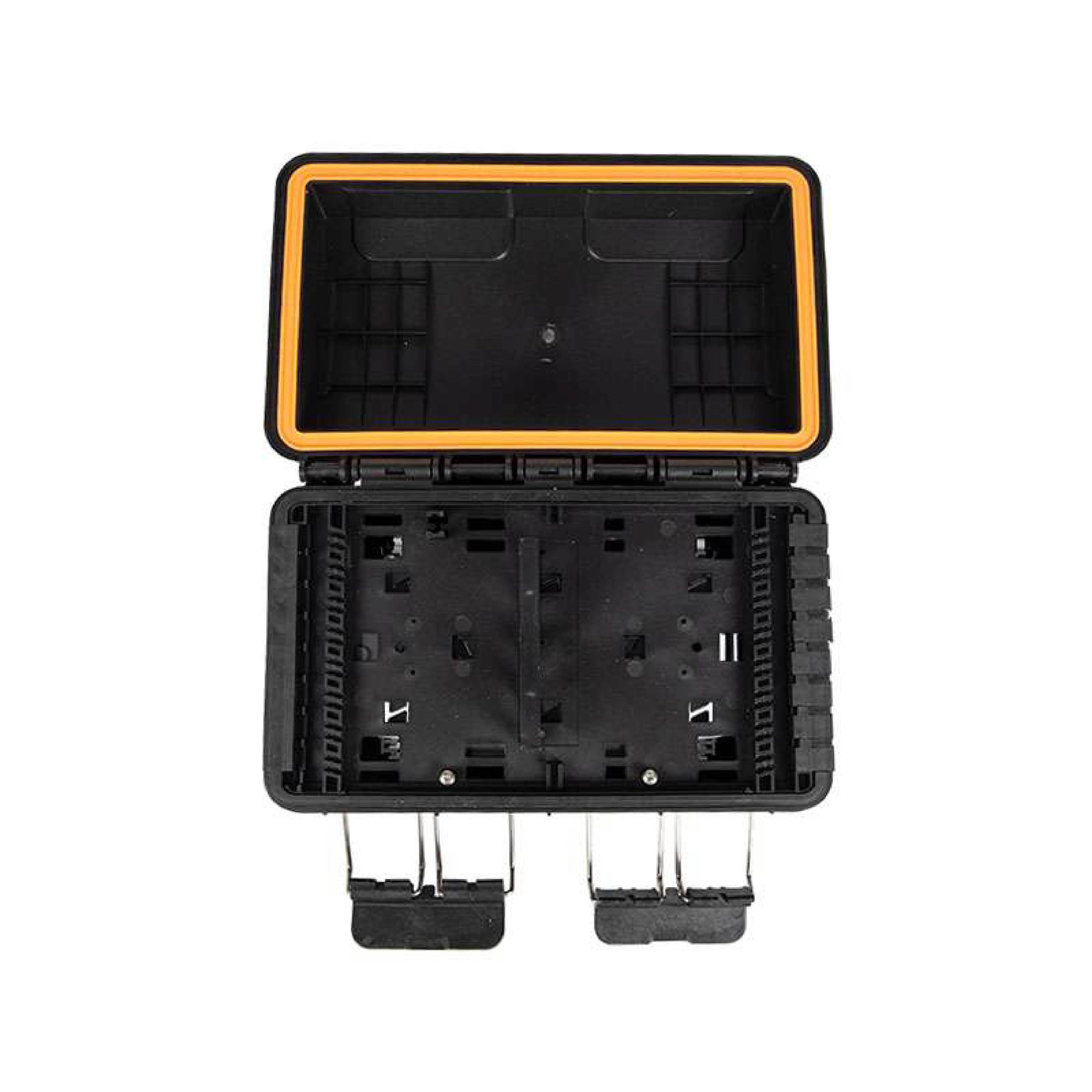
Closures with reliable sealing systems prevent birds and rodents from entering the enclosure.
High-quality seals help block:
- Dust
- Moisture
- Insects
- Rodents
Choose Durable Closure Materials
Strong engineering-grade plastic or reinforced materials improve resistance against environmental stress and physical damage.
Ensure Proper Cable Port Sealing
Cable entry points are common weak spots. A secure sealing mechanism is essential to prevent animal intrusion.
Use Outdoor-Rated Closures
Outdoor fiber closures should be designed to withstand:
- UV exposure
- Rain
- Temperature changes
- Mechanical impact
These features reduce vulnerability and improve long-term reliability.
Why Fiber Closure Quality Matters in Outdoor Deployments
In outdoor fiber deployments, the splice closure is one of the most critical protection points in the network.
A low-quality closure may expose the network to:
- Moisture ingress
- Seal failure
- Animal intrusion
- Premature aging
A well-designed outdoor fiber optic splice closure helps maintain network integrity by providing:
- Secure sealing performance
- Mechanical protection for splices
- Long-term environmental resistance
- Reduced maintenance requirements
For FTTH, FTTx, and backbone deployments, choosing the right closure is essential for minimizing outages and protecting infrastructure investment.
Choosing the Right Outdoor Fiber Optic Splice Closure
When selecting a closure for outdoor applications, look for the following:
Reliable Sealing Performance
The closure should maintain strong sealing at all cable entry points.
Mechanical Strength
The housing should resist impact, deformation, and harsh environmental conditions.
Flexible Capacity
Choose a closure that supports your required splice capacity while maintaining organized fiber management.
Outdoor Durability
The closure should be suitable for aerial, pole-mounted, wall-mounted, or underground installations.
These features are critical to ensuring reliable network operation in real-world environments.
Conclusion
Fiber outages are not always caused by technical faults.
In many outdoor networks, animal intrusion inside fiber optic closures is an overlooked but serious threat. Birds and rodents can damage fibers, contaminate splices, and cause unexpected outages that increase maintenance costs and reduce service reliability.
The best defense is prevention.
By choosing sealed, durable outdoor fiber optic splice closures, network operators can reduce the risk of animal damage, improve network uptime, and protect long-term infrastructure performance.
Because in outdoor fiber networks, even a small opening can lead to a big outage.
FAQ
Can rodents damage fiber optic cables?
Yes. Rodents can chew fiber optic cables and damage closure seals, leading to signal loss and service interruptions.
Why do animals enter fiber optic splice closures?
Fiber closures provide warmth, shelter, and protection, making them attractive to birds and rodents if the sealing is inadequate.
How can fiber optic closures prevent animal damage?
High-quality sealed closures prevent animal intrusion by securing cable entry points and protecting internal fiber splices.