

The rapid rise of AI computing and the rollout of 6G technologies are ushering the optical communications industry into a new era—Optical Communication 3.0.
Unlike previous generations that focused mainly on increasing transmission speed and bandwidth, Optical Communication 3.0 emphasizes intelligent connectivity, ultra-low latency, and integrated computing-network capabilities.
For telecom operators, data center builders, and network contractors, this shift is creating unprecedented demand for more reliable, scalable, and intelligent fiber infrastructure.
Why Optical Communication 3.0 Matters in the AI Era
The explosive growth of AI large models and real-time inference workloads is dramatically increasing the pressure on optical networks.
Modern AI data centers require:
• Massive bandwidth capacity
• Ultra-low latency transmission
• High-density fiber deployment
• Highly reliable network redundancy
Traditional optical networks were designed mainly to transport data. But today’s AI workloads require networks that can support computing efficiency, real-time responsiveness, and large-scale interconnection.
This is the fundamental shift behind Optical Communication 3.0.
The network is no longer just a transmission pipeline—it is becoming the core infrastructure backbone of intelligent computing.
How AI and 6G Are Driving New Fiber Infrastructure Requirements
As 6G standards begin to emerge, optical fiber networks are expected to support:
• P-level bandwidth capacity
• Microsecond-level latency
• Higher connection density
• Energy-efficient transmission
This creates higher requirements for passive fiber infrastructure components.
Network builders now need products that can support:
• Higher fiber counts
• Faster deployment
• Better environmental protection
• Easier maintenance and expansion
For outdoor and backbone deployments, this means stronger demand for:
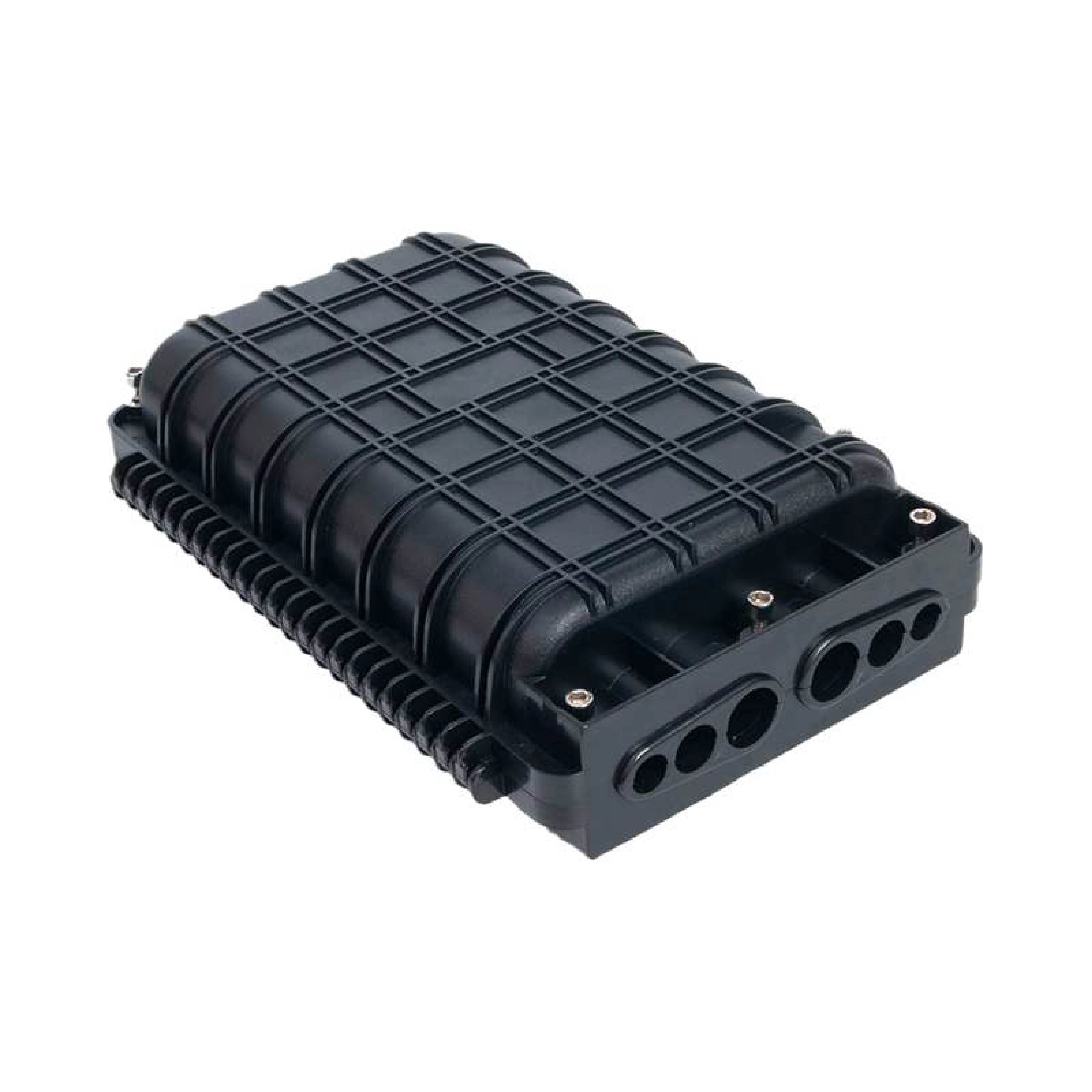
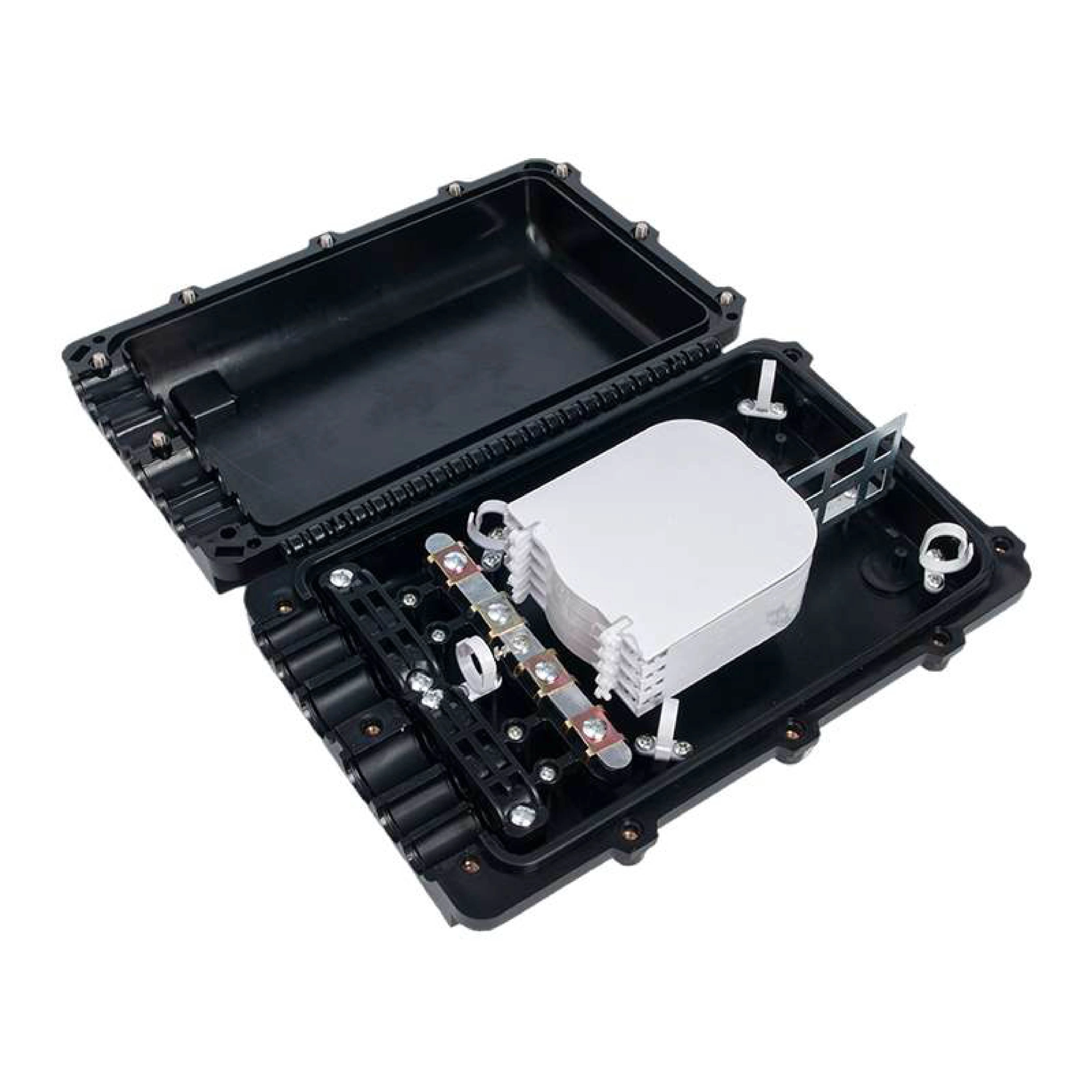
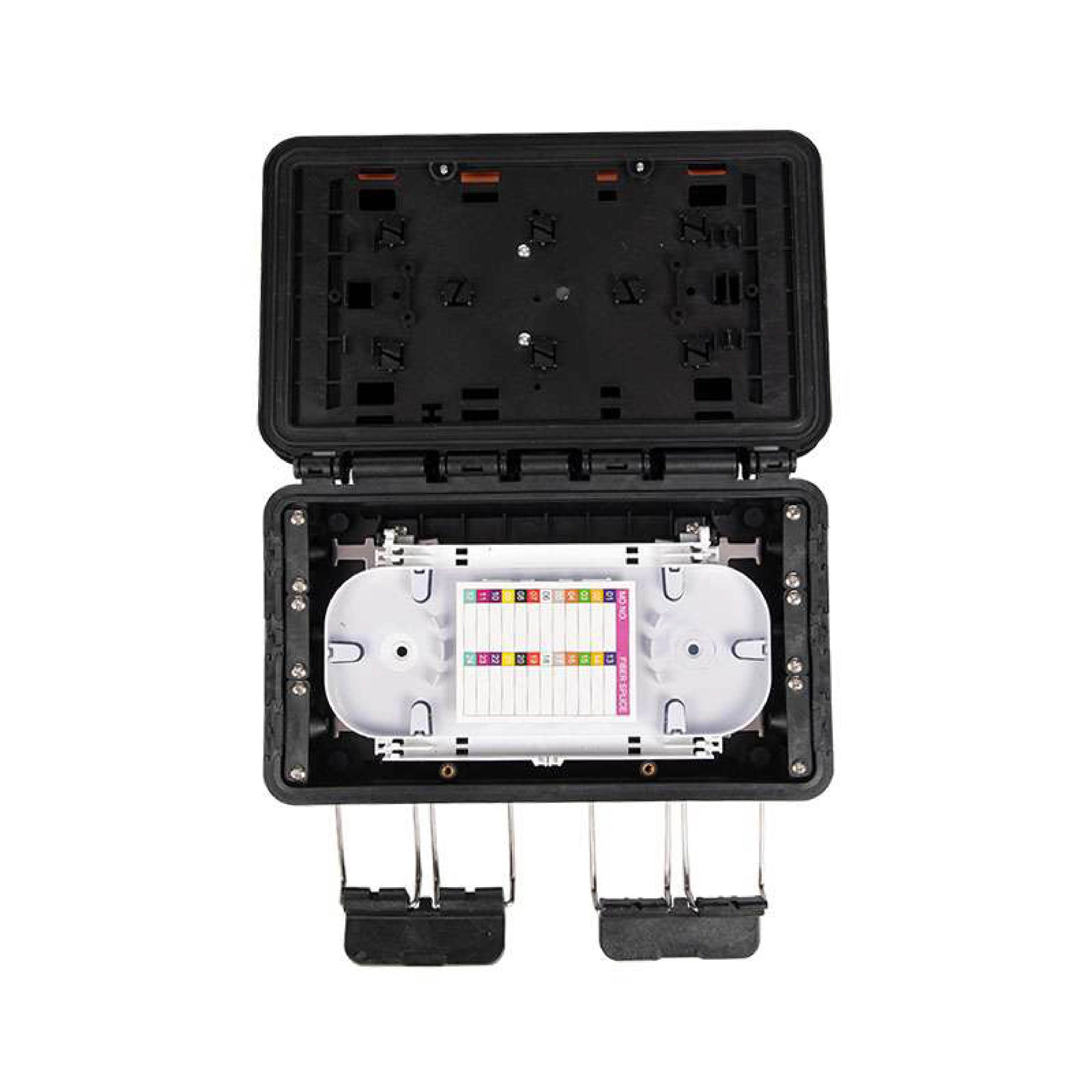
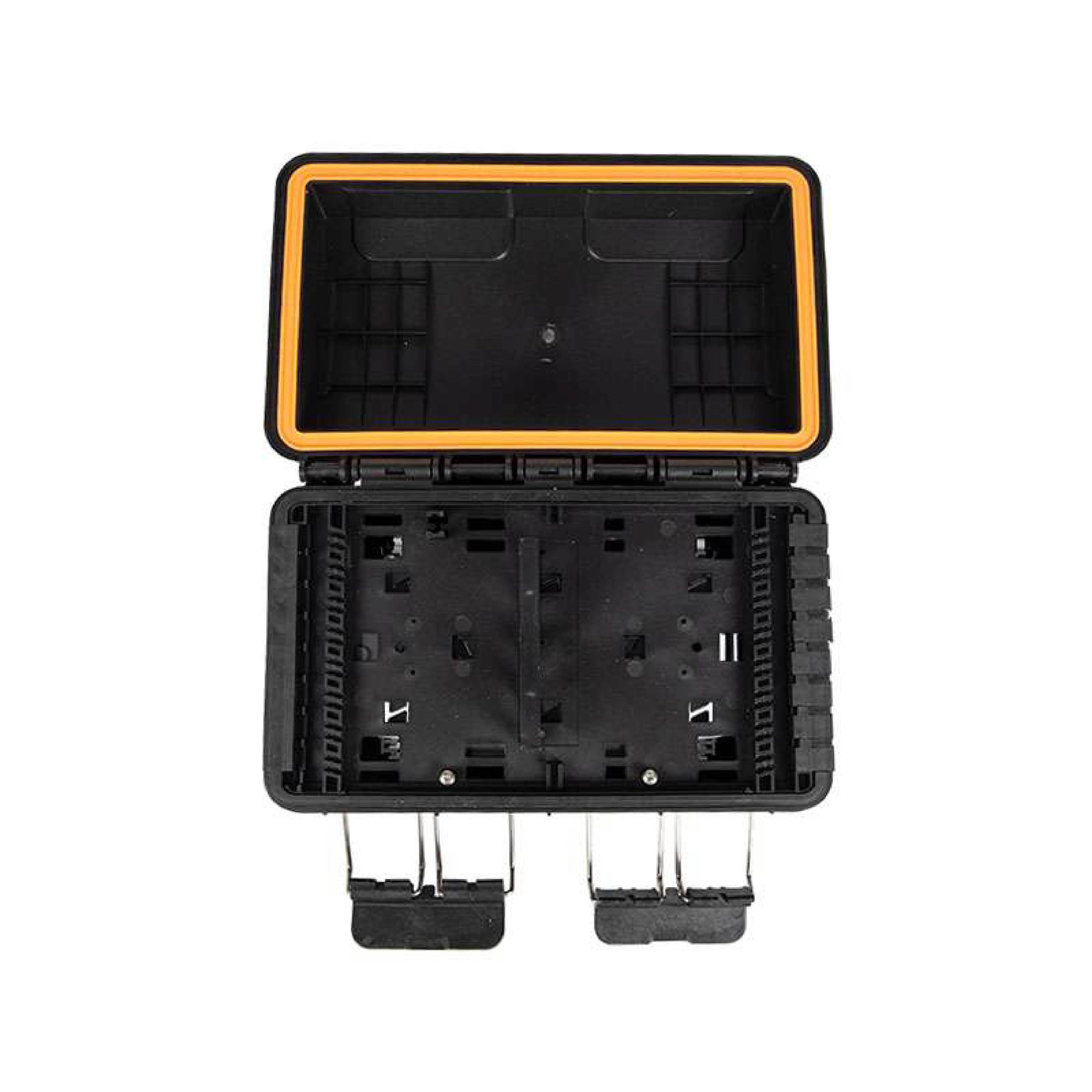
• Fiber optic splice closures
• Fiber distribution boxes
• ADSS cable accessories
• High-density fiber management solutions
Without reliable passive infrastructure, high-performance optical networks cannot achieve their full potential.
The Infrastructure Challenges Behind Optical Communication 3.0
As networks become denser and more distributed, infrastructure reliability becomes increasingly critical.
Common deployment challenges include:
• Fiber congestion in high-density nodes
• Limited expansion space in closures
• Environmental risks in outdoor installations
• Increased maintenance complexity
These challenges directly affect network uptime, signal stability, and long-term operational costs.
That is why operators and contractors are focusing more on durable, expandable, and easy-to-maintain fiber connectivity products.
Products used in Optical Communication 3.0 environments must offer:
• High sealing performance
• Flexible splice capacity
• Fast installation
• Long-term outdoor durability
Why Reliable Fiber Connectivity Components Matter More Than Ever
In the Optical Communication 3.0 era, passive components play a more strategic role than ever before.
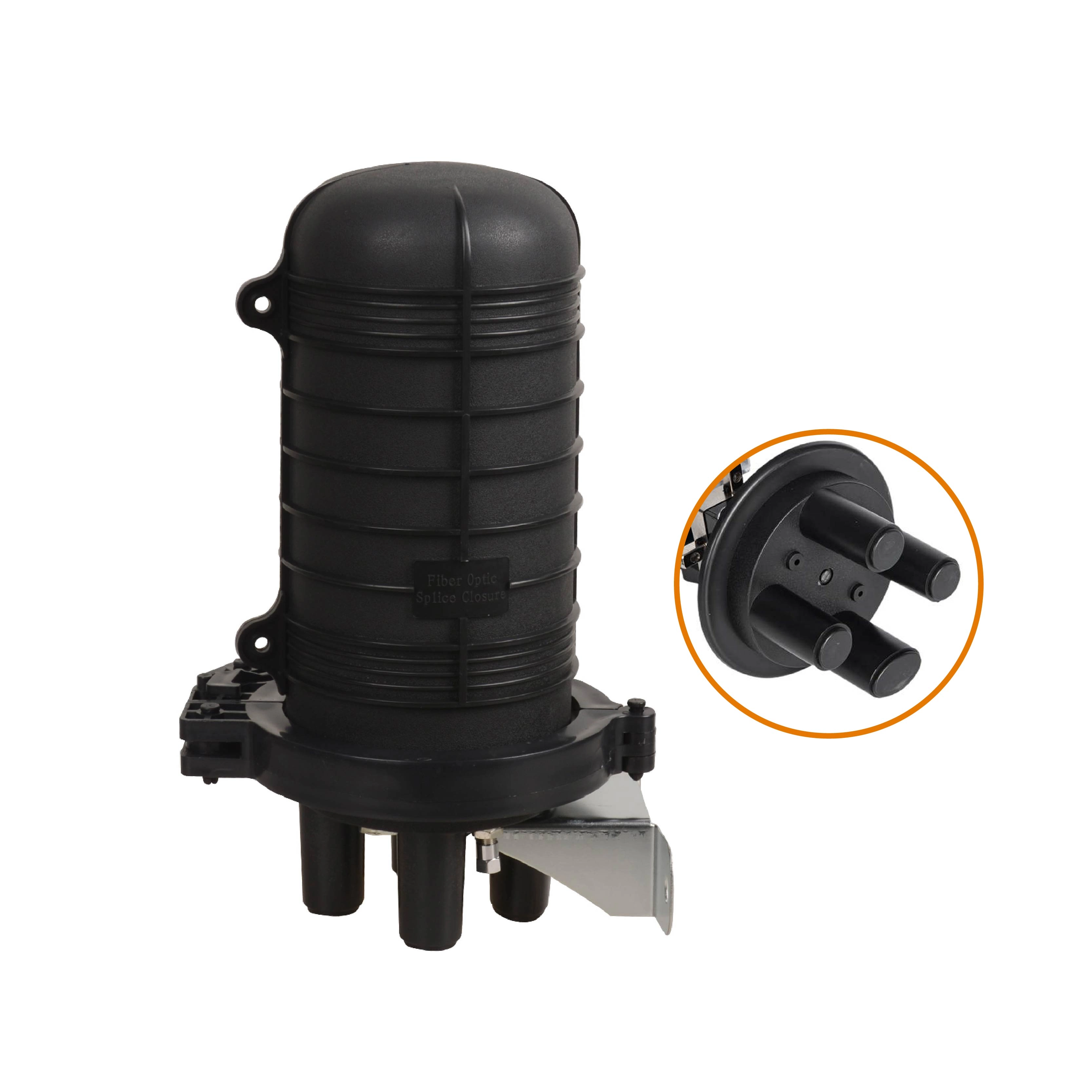
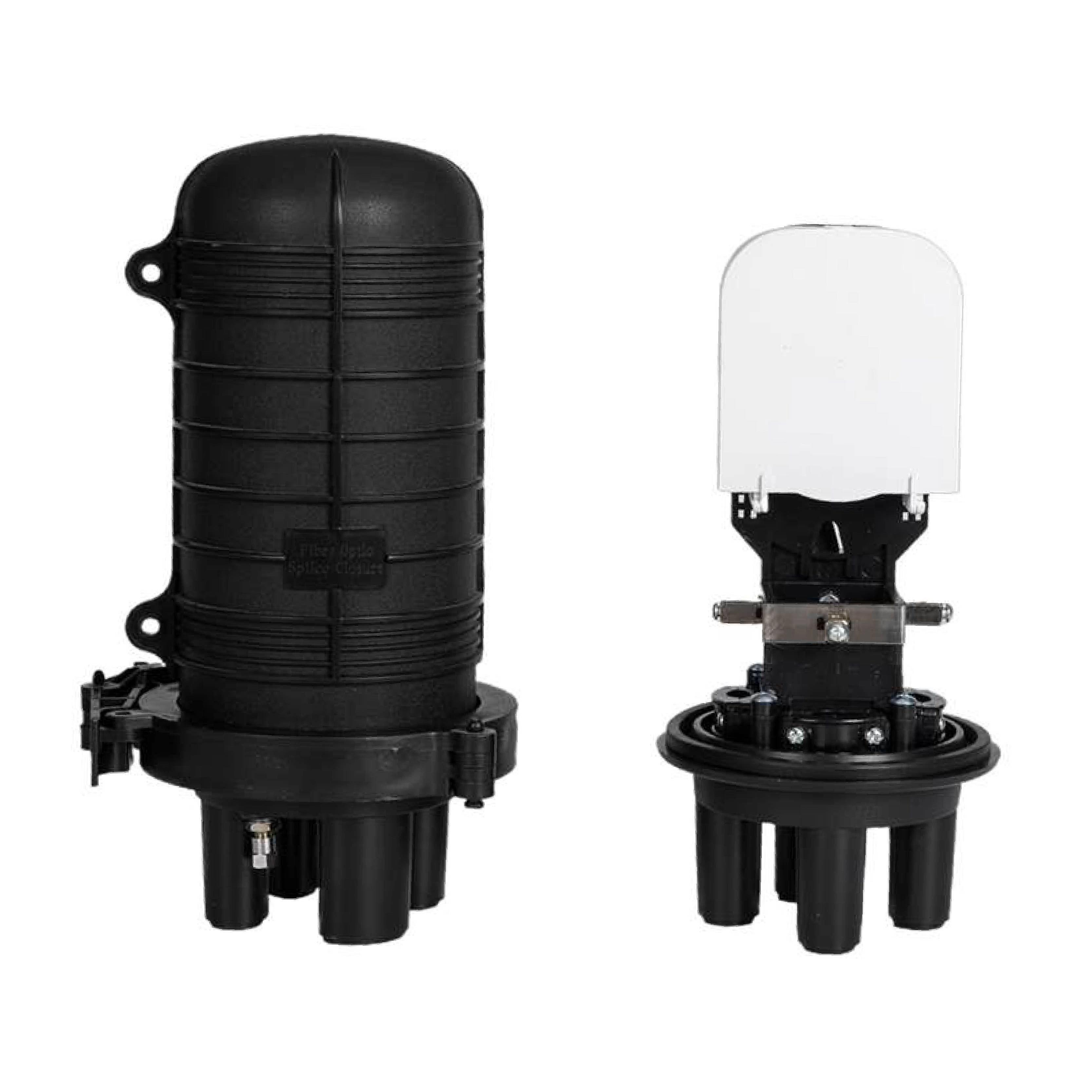
For example, fiber optic splice closures are critical for protecting splicing points in outdoor backbone and distribution networks.
High-quality closures help ensure:
• Stable signal transmission
• Protection against moisture and dust
• Reduced maintenance failures
• Scalability for future upgrades
As AI-driven traffic continues to grow, the reliability of these components directly impacts the performance of the entire optical network.
For network planners, choosing the right infrastructure components is becoming a strategic decision—not just a procurement task.
Preparing Fiber Networks for the Optical Communication 3.0 Era
Optical Communication 3.0 is more than a technology trend—it is a signal that network infrastructure requirements are fundamentally changing.
As AI and 6G reshape the industry, the demand for:
• higher-density deployment,
• faster scalability,
• stronger protection,
• and more resilient connectivity
will continue to rise.
For telecom contractors, ISPs, and infrastructure providers, preparing for this era means investing in fiber infrastructure solutions built for future network demands.
Reliable products such as fiber optic closures, fiber distribution boxes, and ADSS cable solutions will be essential building blocks of next-generation optical networks.
The era of Optical Communication 3.0 has begun, and infrastructure readiness will determine who can lead in the next wave of digital connectivity.
FAQ
1. What is Optical Communication 3.0?
Optical Communication 3.0 refers to the next phase of optical network evolution, driven by AI computing and 6G requirements, focusing on intelligent connectivity, ultra-low latency, and integrated network computing.
2. Why is fiber infrastructure important for AI and 6G networks?
AI and 6G networks require high bandwidth, low latency, and scalable connectivity, making reliable fiber infrastructure essential for stable and efficient network performance.
3. Which products are critical for Optical Communication 3.0 deployments?
Key products include fiber optic splice closures, fiber distribution boxes, ADSS cables, and high-density fiber management solutions.