
Artificial intelligence is changing the way data centers are built.
As large language model training, AI inference, and high-density GPU clusters continue to grow, network infrastructure is becoming one of the most critical parts of modern data center design. In an AI factory, thousands of GPUs must exchange massive amounts of data with extremely low latency. That means the cabling system is no longer a passive background component — it directly affects performance, power consumption, cooling design, and long-term scalability.
One question is becoming increasingly important for data center planners, network engineers, and infrastructure buyers:
Should AI data centers use copper cables or fiber optic cables?
The answer is not “one or the other.”
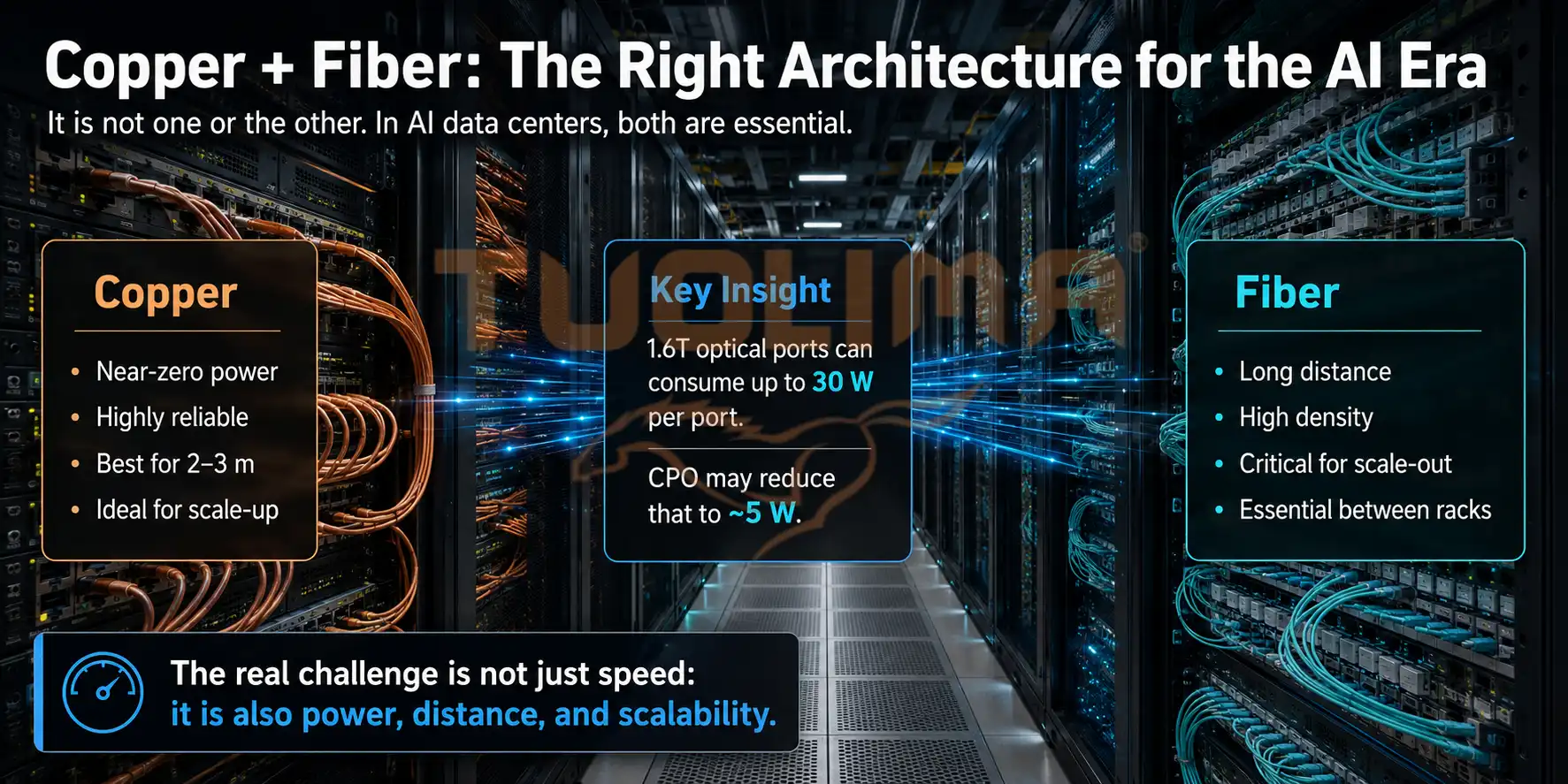
For modern AI data centers, copper and fiber must work together.
Copper is still highly valuable for very short-distance, low-power connections inside racks. Fiber optic cabling is essential for longer-distance, high-bandwidth connections between racks, rooms, and data center zones. The real challenge is not choosing one technology to replace the other, but designing a network architecture where each medium is used in the right place.
Recent industry discussions around NVIDIA’s AI networking strategy have reinforced this point. NVIDIA Networking has described copper and fiber as two technologies that are “dividing the job,” not competing with each other.
Why AI Data Centers Are Changing Network Design
Traditional enterprise data centers were built around general computing, storage, and cloud services. AI data centers are different.
AI training and inference workloads require enormous volumes of data to move between GPUs, switches, storage systems, and server clusters. As AI models become larger, the physical scale of the infrastructure also expands. Some AI data centers now operate at a scale comparable to large industrial facilities, with high-density racks, liquid cooling systems, and complex optical interconnect layers.
In this environment, network design directly affects:
- GPU utilization
- Training efficiency
- Latency
- Power consumption
- Cooling requirements
- Rack layout
- Future expansion capacity
This is why cabling choices are no longer just a cost issue. They are now part of the overall AI infrastructure strategy.
For project managers, contractors, and data center operators, the key question is practical:
Which connection should stay copper, and which connection must move to fiber?
Copper vs Fiber: Two Different Roles in AI Infrastructure
Copper cables and fiber optic cables transmit data in completely different ways.
Copper uses electrical signals. Fiber uses light signals.
This difference creates two very different engineering profiles.
Copper cables are cost-effective, physically robust, and extremely efficient for very short distances. They are widely used for short-reach interconnects inside racks or between components placed very close to each other.
Fiber optic cables, on the other hand, are designed for longer distances and high-bandwidth transmission. They are essential for connecting racks, rows, rooms, and larger data center zones.
In AI data centers, both are necessary.
Copper is preferred when the connection distance is short enough because it consumes almost no power and offers strong reliability. Fiber becomes necessary when the distance exceeds the practical limit of copper, especially at very high data rates.
This creates a simple but important design principle:
Use copper where the distance is short. Use fiber where the network needs reach, density, and scalability.
Power Consumption: Why Every Watt Matters in AI Factories
Power is one of the biggest constraints in AI data center construction.
High-density GPU clusters already consume enormous amounts of electricity. Power is needed not only for computing, but also for cooling, switching, storage, and optical transmission. As a result, every watt saved in the network layer can improve the efficiency of the whole facility.
According to recent reporting on NVIDIA networking discussions, in a side-by-side comparison at 1.6 Tb/s ports, optical connections can consume up to around 30 watts per port, while passive copper is close to zero power consumption.
At small scale, this difference may not seem dramatic.
At AI data center scale, it becomes significant.
If a facility has thousands of optical connections, optical module power consumption can quickly become a major part of the infrastructure’s energy profile. Higher power also means more heat, more cooling demand, and higher operating costs.
This is why copper remains attractive for short-distance AI connections.
Where copper can be used, it helps reduce:
- Port-level power consumption
- Cooling pressure
- Component complexity
- Operating cost
- Failure points from active optical components
However, copper has one unavoidable limitation: distance.
Distance Limitation: Where Copper Ends and Fiber Begins
Copper is efficient, but it cannot solve every connection problem.
As data rates increase, the maximum practical length of passive copper cables becomes shorter. At lower speeds, copper Ethernet cables can support relatively long distances. But in AI systems using very high-speed lanes, the signal integrity challenge becomes much more serious.
At around 200 Gb/s per lane, passive copper links are typically limited to only a few meters — often around 2 to 3 meters. Beyond that distance, electrical signal loss and signal integrity problems make copper impractical.
This limitation strongly influences AI rack and data hall design.
Copper is suitable for short-reach connections such as:
- In-rack GPU interconnects
- Server-to-switch links within very short distance
- Short passive copper cable applications
- Scale-up architecture inside high-density AI racks
Fiber is required for longer-reach connections such as:
- Rack-to-rack interconnects
- Row-to-row network links
- Data hall backbone cabling
- Cross-connect areas
- High-density optical distribution
- Scale-out AI cluster networking
This is why the future AI data center is not “all copper” or “all fiber.”
It is a hybrid architecture.
Scale-Up vs Scale-Out: Choosing the Right Cabling Strategy
In AI infrastructure, two terms are especially important: scale-up and scale-out.
Scale-up usually refers to connecting GPUs and compute resources within a tightly integrated system, often inside the same rack or within a very short physical distance. This is where copper can be highly effective because the connection is short, power-efficient, and physically reliable.
Scale-out refers to connecting many racks, clusters, and systems across a larger data center environment. This is where fiber optic cabling becomes essential.
For AI data center project design, the logic can be summarized as:
Copper for scale-up. Fiber for scale-out.
Copper helps maximize short-distance efficiency.
Fiber enables long-distance, high-bandwidth expansion.
A well-designed AI data center needs both. If engineers use fiber everywhere, they may increase power consumption and cost unnecessarily. If they rely too much on copper, the network will quickly hit distance and scalability limits.
The best architecture is a balanced one.
How Co-Packaged Optics May Reduce Optical Power Consumption
Although fiber is essential for long-distance AI networking, its power consumption remains a major challenge.
This is where co-packaged optics, or CPO, becomes important.
Traditional optical modules usually sit at the front panel of the switch. Electrical signals must travel from the switch ASIC across the board before being converted into optical signals. At very high speeds, this electrical path creates loss, heat, and power demand.
Co-packaged optics changes the architecture by placing the optical engine much closer to the switch ASIC.
The goal is to reduce the electrical signal path, lower power consumption, improve signal integrity, and support higher-density optical networking. NVIDIA has been positioning photonics switches as part of its strategy for scaling AI factories to millions of GPUs with better connectivity and energy efficiency.
Industry reporting also notes that CPO can significantly reduce optical network power compared with traditional pluggable optics. For example, NVIDIA-related discussions have referenced the potential to reduce power from around 20W to about 5W per 1.6 Tb/s port in some configurations.
This does not mean copper disappears.
It means optical networking becomes more efficient for the places where fiber is already necessary.
In other words, CPO improves the optical side of the architecture, while copper still remains valuable for short-reach, low-power links.
What This Means for Data Center Cabling Projects
For data center contractors, telecom infrastructure integrators, and network project managers, the key takeaway is clear:
AI data center cabling must be planned by distance, power, density, and upgrade path.
A successful cabling project should not simply ask, “Which cable is faster?”
Both copper and fiber can support extremely high speeds under the right conditions. The better question is:
Which medium gives the best performance, efficiency, and reliability for this specific distance and network layer?
When planning AI-ready data center infrastructure, teams should evaluate:
- Maximum link distance
- Required bandwidth
- Port density
- Power budget
- Cooling capacity
- Rack layout
- Cable management space
- Future upgrade requirements
- Maintenance accessibility
- Optical distribution design
For short links inside racks, copper may be the best choice.
For inter-rack and backbone links, fiber is usually unavoidable.
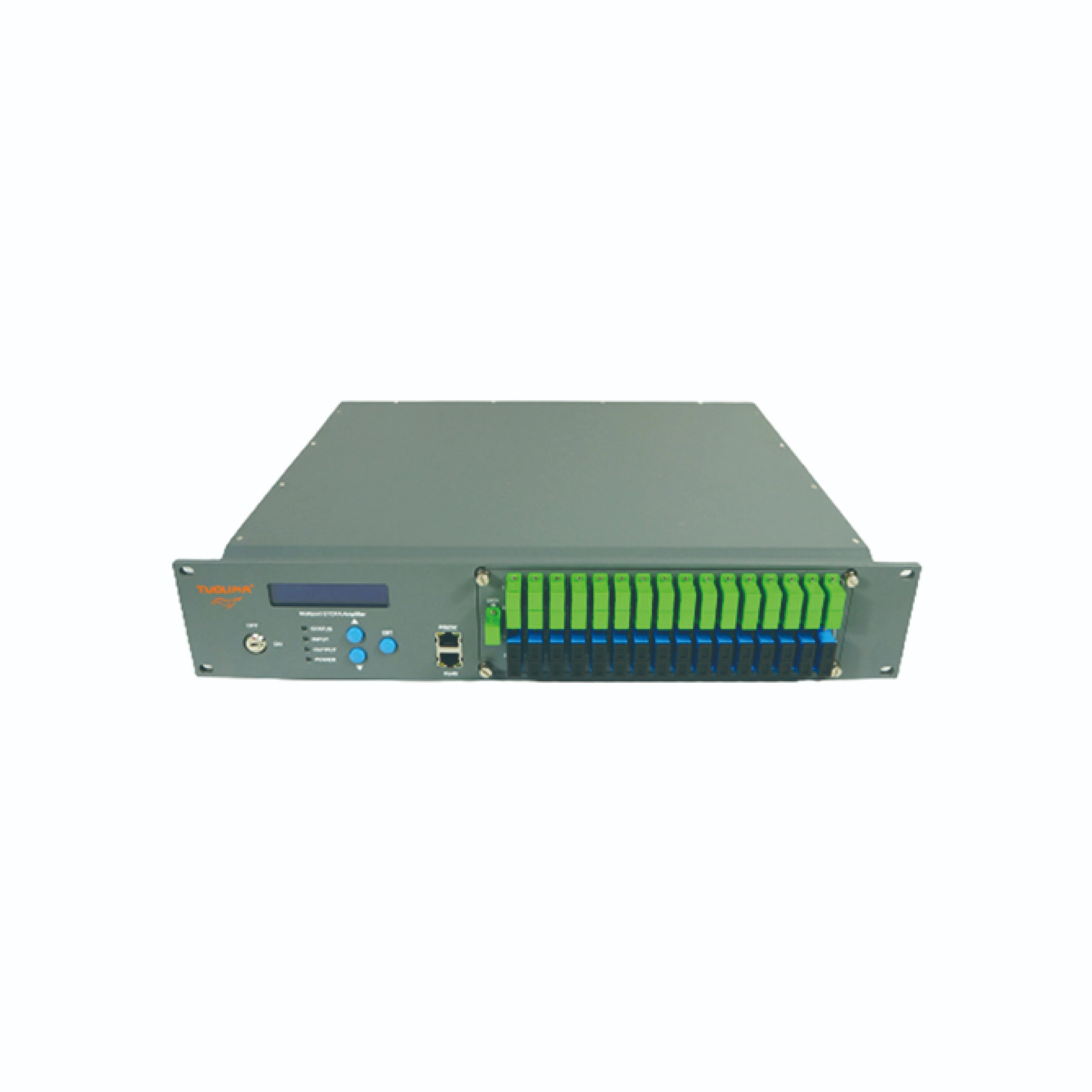
For high-density data center optical layers, structured fiber cabling becomes especially important. This includes trunk cables, patch cords, optical distribution frames, MPO/MTP solutions, fiber management systems, and reliable cross-connect design.
Tuolima Fiber Solutions for AI-Ready Data Center Networks
As AI infrastructure grows, the optical layer of the data center must become more organized, scalable, and reliable.
Tuolima provides fiber optic connectivity solutions designed to support modern telecom and data center projects, including high-density cabling environments where performance and long-term stability are critical.
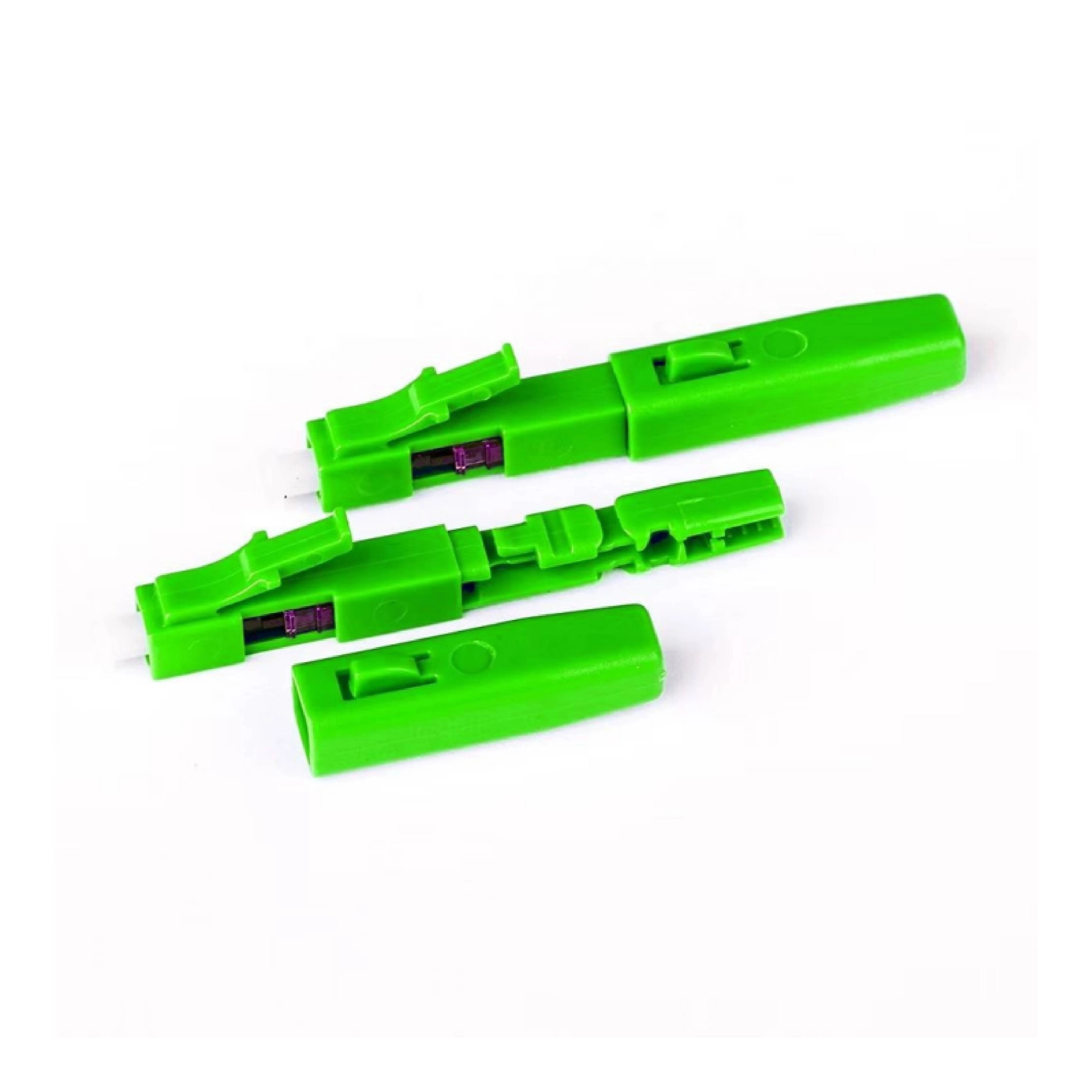
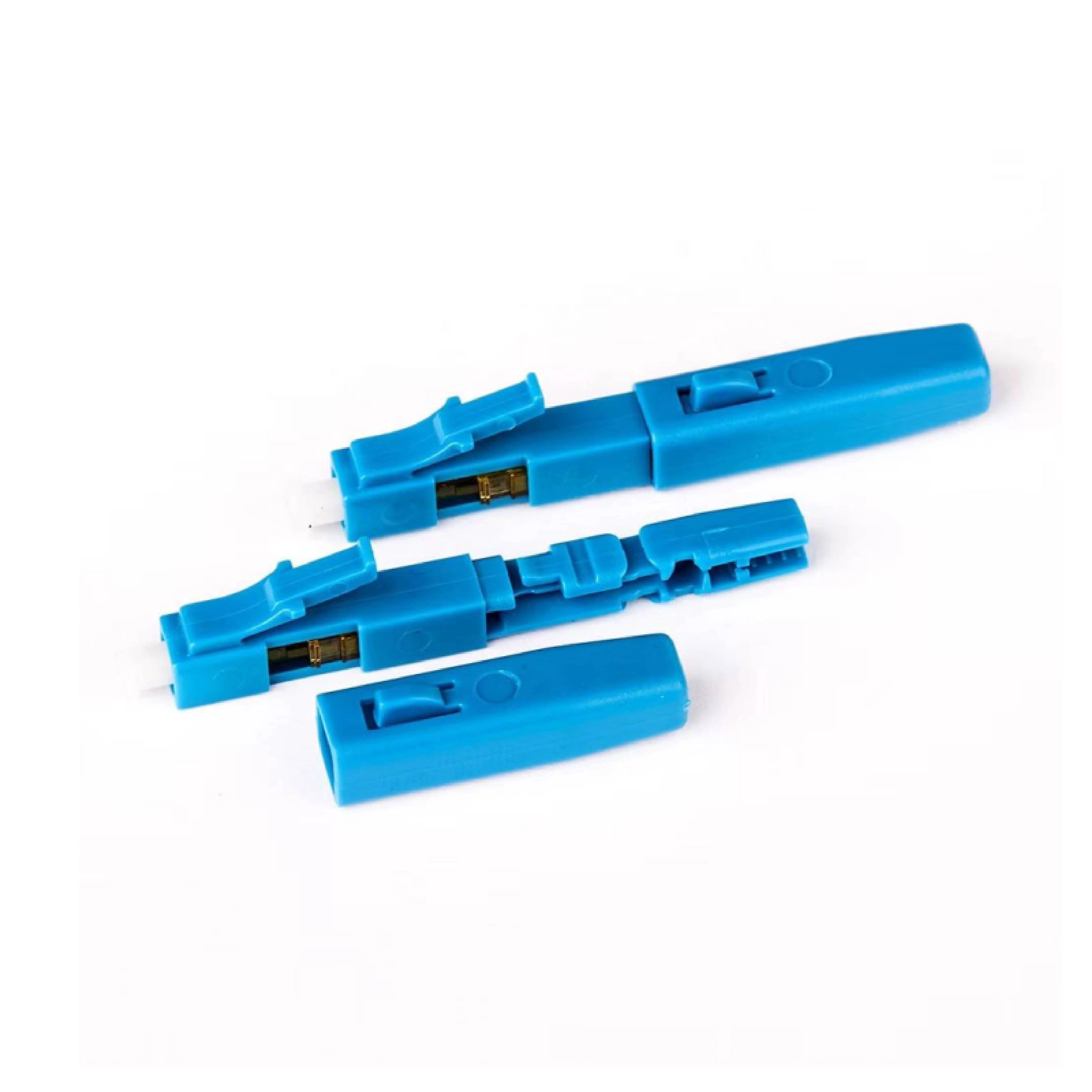
For AI-ready data center networks, fiber infrastructure may include:
- Data center fiber optic trunk cables
- MPO/MTP high-density cabling solutions
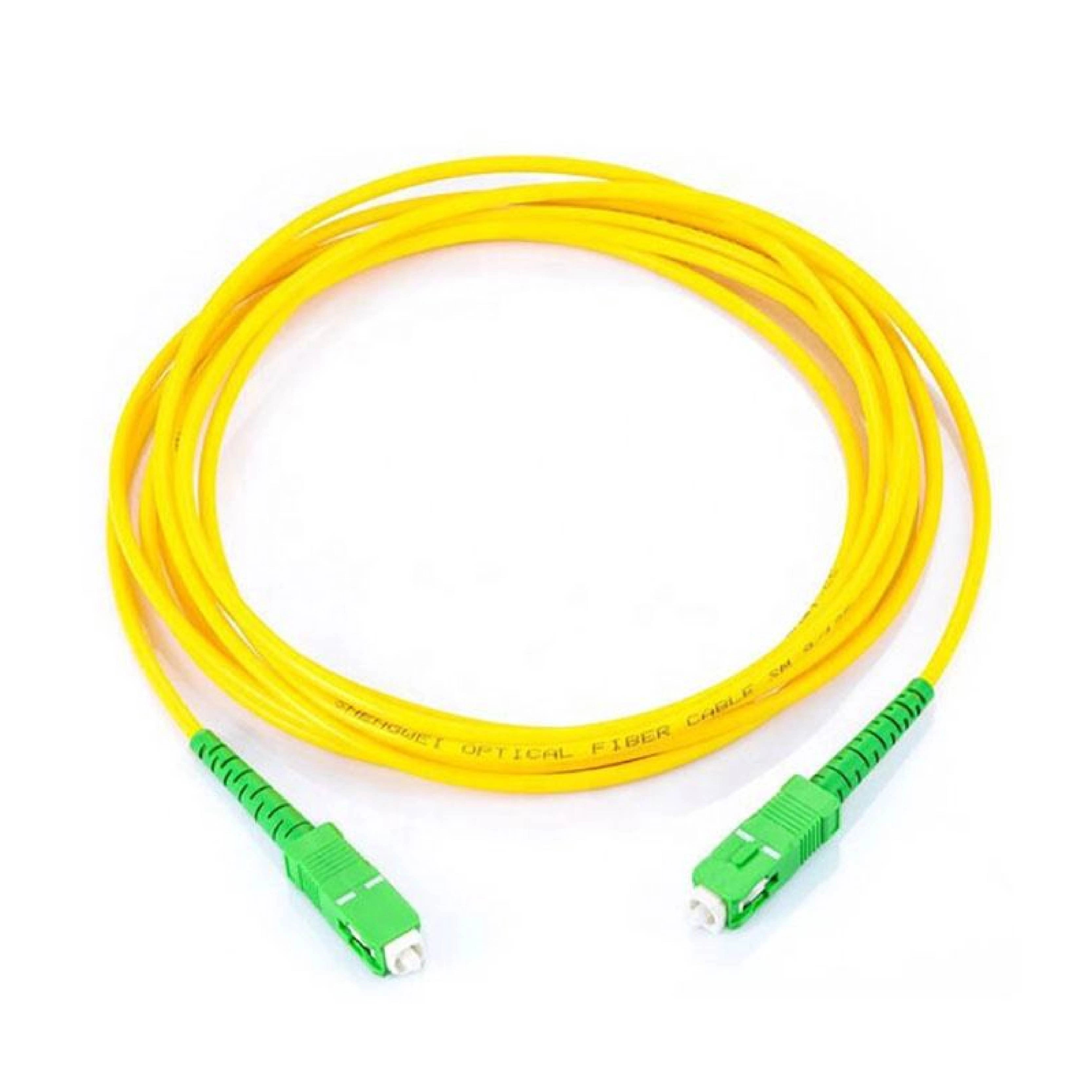
- Fiber patch cords
- Optical distribution frames
- Fiber patch panels
- Pre-terminated cabling assemblies
- Indoor fiber optic cable
- Outdoor fiber optic cable for campus or building-to-building links
- Cable management and protection solutions
In AI data center construction, fiber cabling is not just about connecting equipment. It is about building a physical network layer that can support future bandwidth growth, reduce maintenance complexity, and keep the entire system stable under high-density operating conditions.
This is especially important for:
- AI data centers
- Cloud data centers
- Hyperscale facilities
- Telecom carrier rooms
- Internet exchange and cross-connect environments
- Enterprise data halls
- High-density server rooms
A well-planned optical cabling system can help project teams improve network reliability, simplify expansion, and prepare for future transmission upgrades.
Conclusion: Copper and Fiber Are Not Competitors — They Are Partners
The AI data center is changing the rules of network infrastructure.
As GPU clusters become larger and data traffic grows, cabling design must balance speed, power, distance, cost, and reliability. Copper remains highly valuable for short-distance, low-power connections inside racks. Fiber remains essential for long-distance, high-bandwidth connections across racks, rooms, and facilities.
The future is not about copper replacing fiber, or fiber replacing copper.
The future is about using both correctly.
For AI factories and high-density data centers, the most effective network design is a hybrid architecture:
Copper for short-reach efficiency. Fiber for long-reach scalability.
For project managers and network engineers, this means the optical cabling layer must be designed with greater precision than ever before. As AI workloads continue to grow, structured fiber infrastructure will become one of the foundations of reliable, scalable, and energy-aware data center networks.
FAQ
1. Is fiber better than copper for AI data centers?
Not always. Fiber is better for long-distance, high-bandwidth connections between racks, rooms, and data center zones. Copper is still highly effective for very short-distance links inside racks because it is power-efficient, reliable, and cost-effective.
2. Why does copper have distance limitations in AI networks?
At very high data rates, copper cables suffer from signal loss and signal integrity challenges. As speeds increase, the practical length of passive copper becomes much shorter. For some high-speed AI system links, passive copper may only support a few meters.
3. What fiber products are commonly used in AI data center cabling?
Common fiber products include MPO/MTP trunk cables, fiber patch cords, optical distribution frames, fiber patch panels, pre-terminated cabling assemblies, indoor fiber optic cables, and high-density cable management systems.