
Latin America’s telecom infrastructure is entering a new expansion cycle.
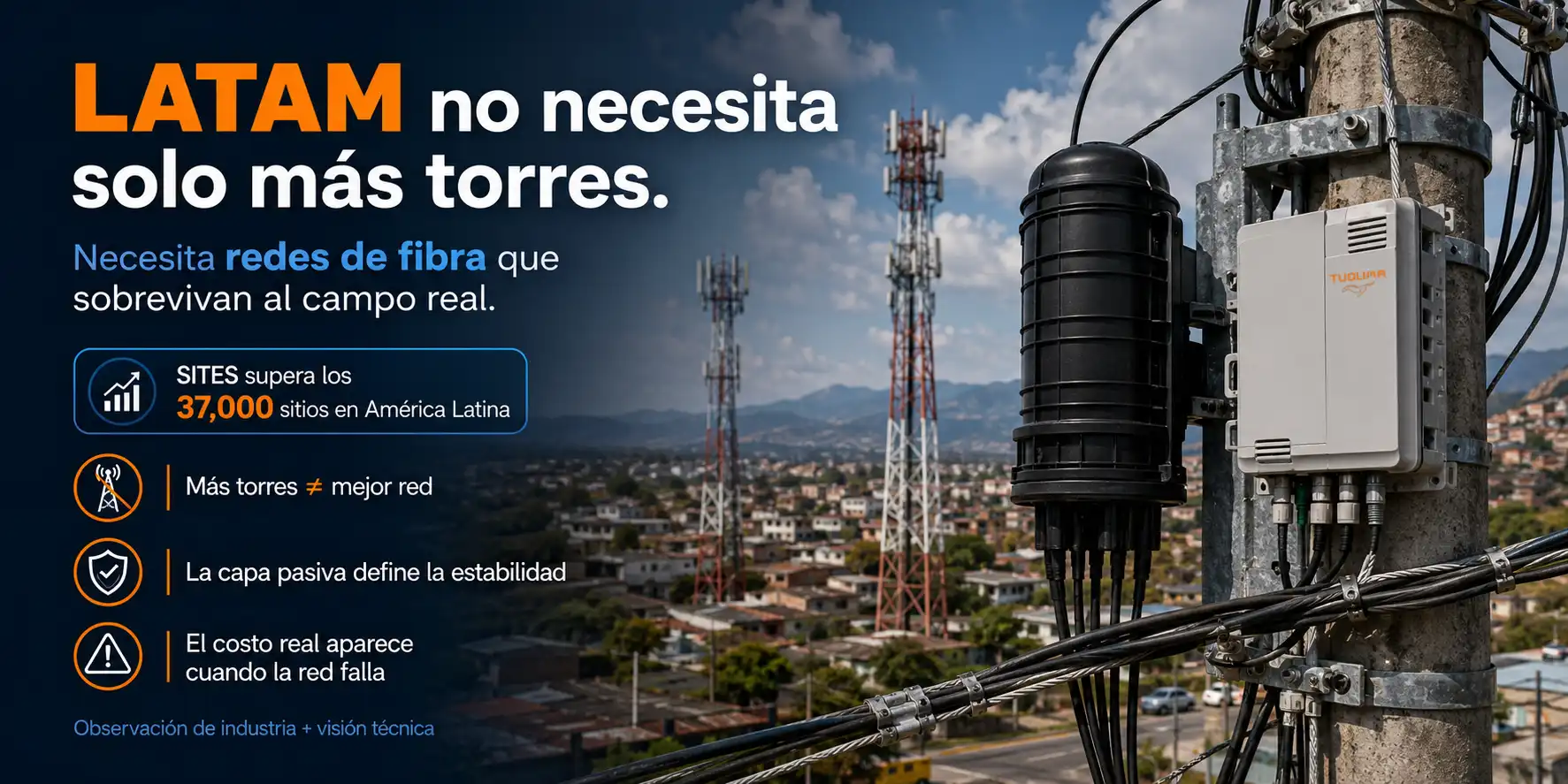
According to recent market data reported by BNamericas, Mexico-linked tower company SITES has reached 37,625 telecom sites across Latin America, narrowing the gap with American Tower in the region. The company’s first-quarter 2026 report also shows continued growth across Brazil, the Andean region, Central America, Argentina, Uruguay, Paraguay, and the Caribbean.
For operators, ISPs, EPC contractors, and fiber network builders, this trend means more than a larger tower portfolio. It points to a deeper infrastructure shift: every new telecom site requires reliable fiber connectivity, stable outdoor cabling, protected splice points, and durable FTTH/ODN hardware.
As tower networks expand, fiber infrastructure becomes the backbone that determines whether mobile, fixed broadband, and 5G services can actually perform in the field.
Latin America’s Tower Market Is Still Expanding
At the end of the first quarter of 2026, SITES reported a consolidated portfolio of 37,625 sites across 15 Latin American countries. The largest regional portfolios included Brazil with 12,316 sites, the Andean region with 9,714 sites, Central America with 8,387 sites, Argentina/Uruguay/Paraguay with 5,582 sites, and the Caribbean with 1,626 sites.
The report also stated that SITES added 1,108 new sites over the last twelve months, with Brazil, the Andean region, and Central America contributing major increases.
This is an important signal for the telecom supply chain.
When tower portfolios grow, the demand is not limited to steel structures, antennas, and base station equipment. Behind every active site, there is a need for a reliable passive network layer: outdoor fiber optic cable, splice closures, distribution boxes, cable clamps, and accessories that keep the network stable over years of outdoor exposure.
Why More Telecom Sites Mean More Fiber Infrastructure
Telecom towers are not isolated assets. They are part of a larger transmission and access network.
A new tower site usually requires backhaul or fronthaul connectivity. In many deployment scenarios, optical fiber is preferred because it offers high bandwidth, low latency, long-distance transmission, and better scalability for future network upgrades.
This is especially important in markets where operators are expanding 4G coverage, preparing for 5G densification, or connecting rural and suburban areas to stronger broadband infrastructure.
More tower sites can create demand for:
Aerial fiber optic cable along poles and transmission routes
ADSS cable for power-line-adjacent or long-span installations
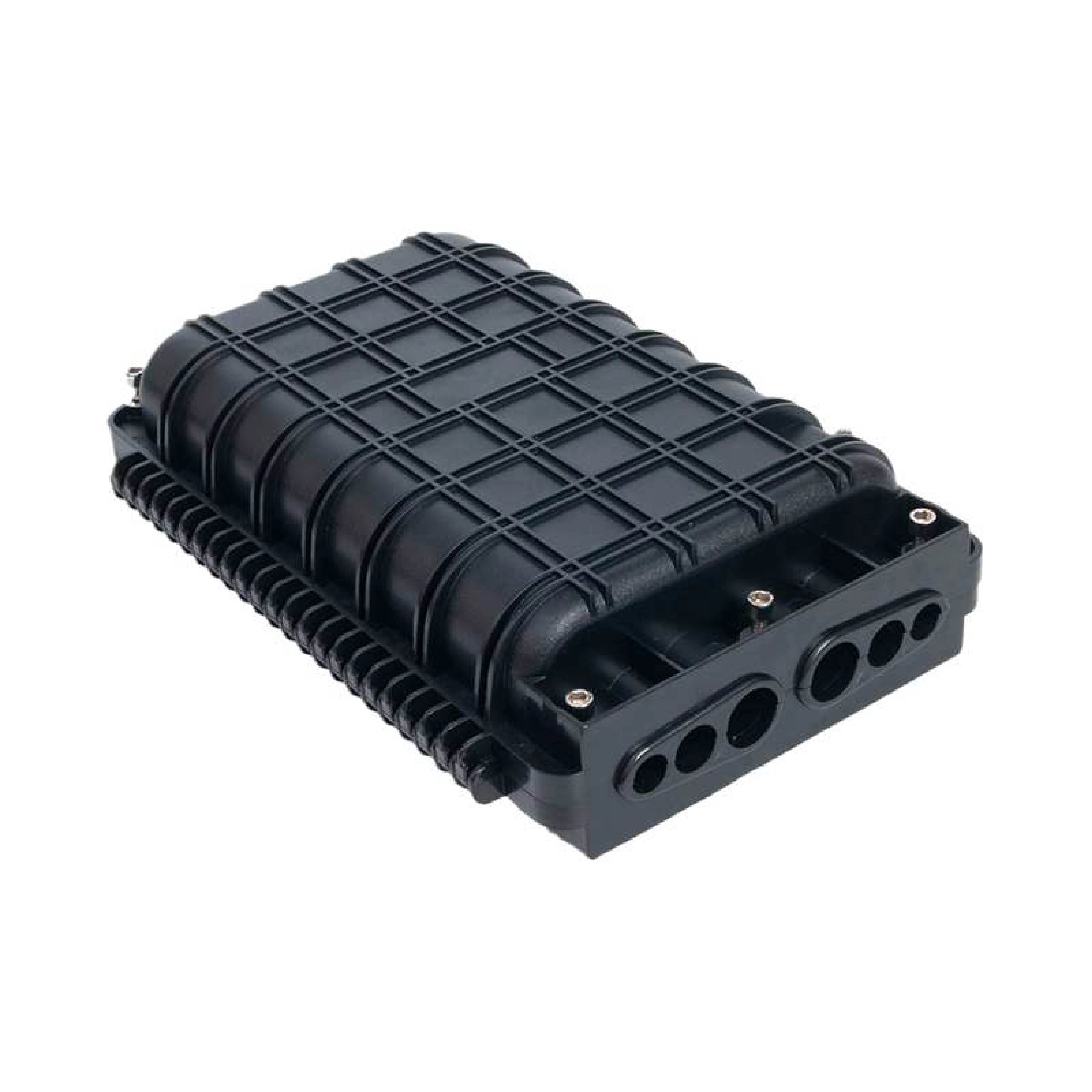
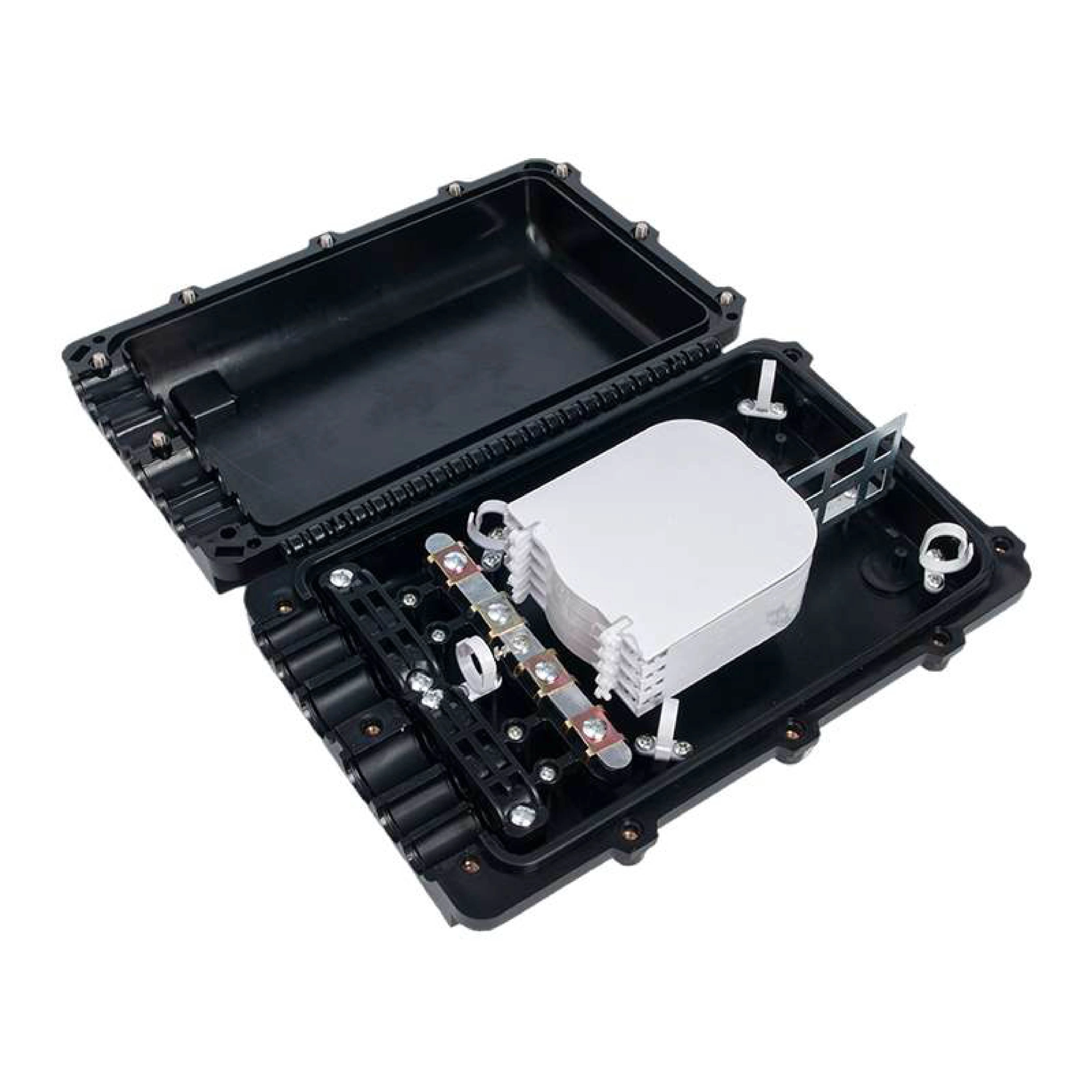
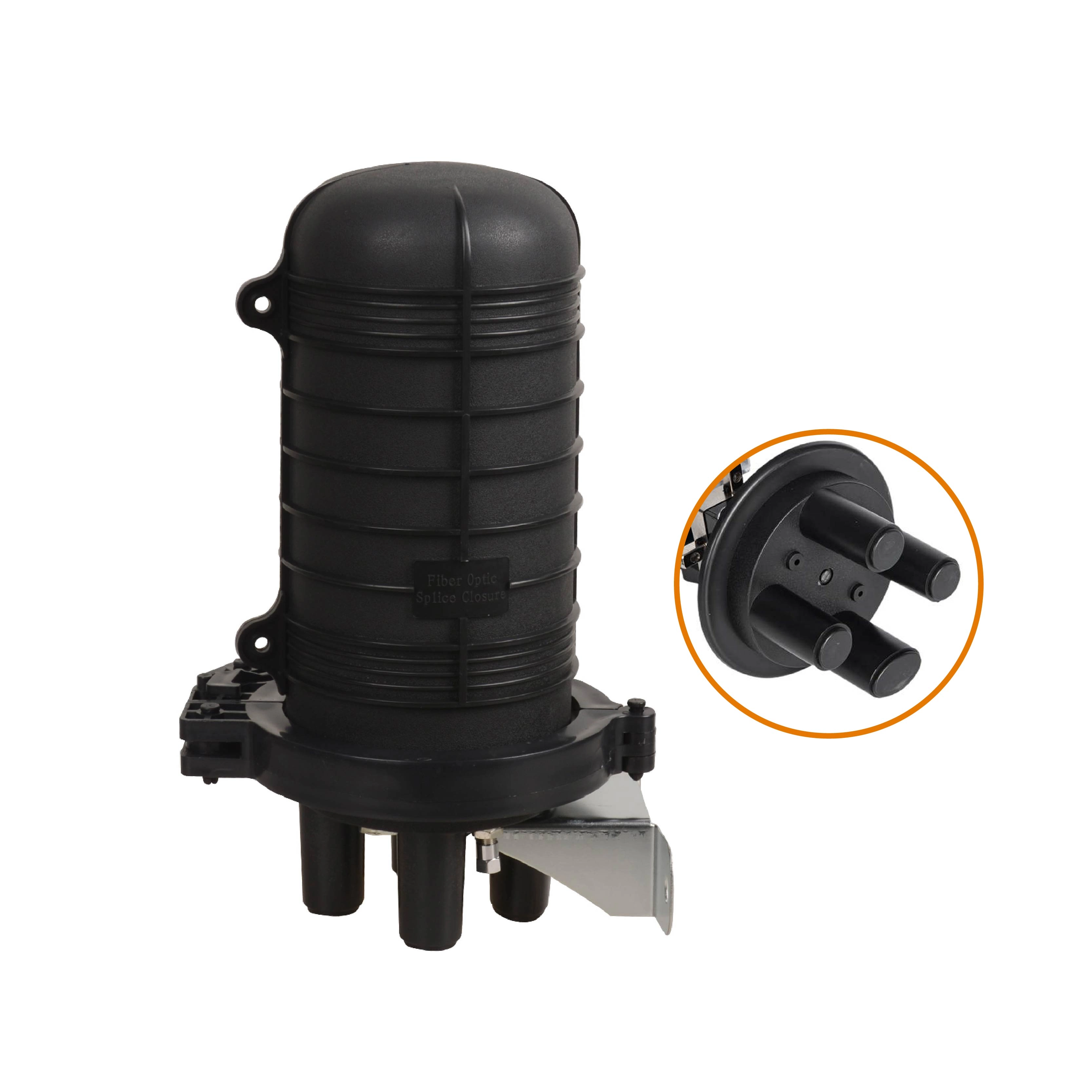
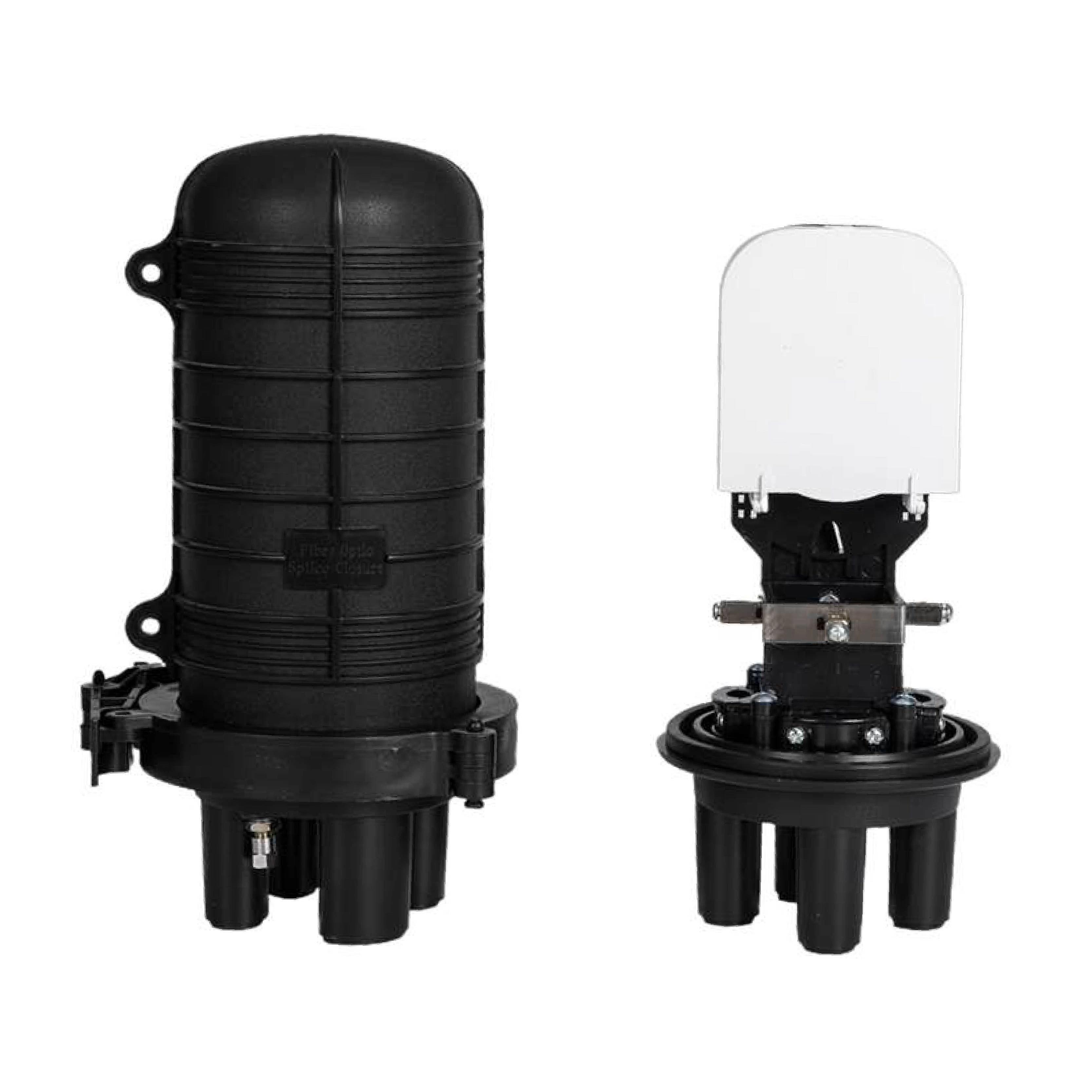
Outdoor fiber optic splice closures for cable joint protection
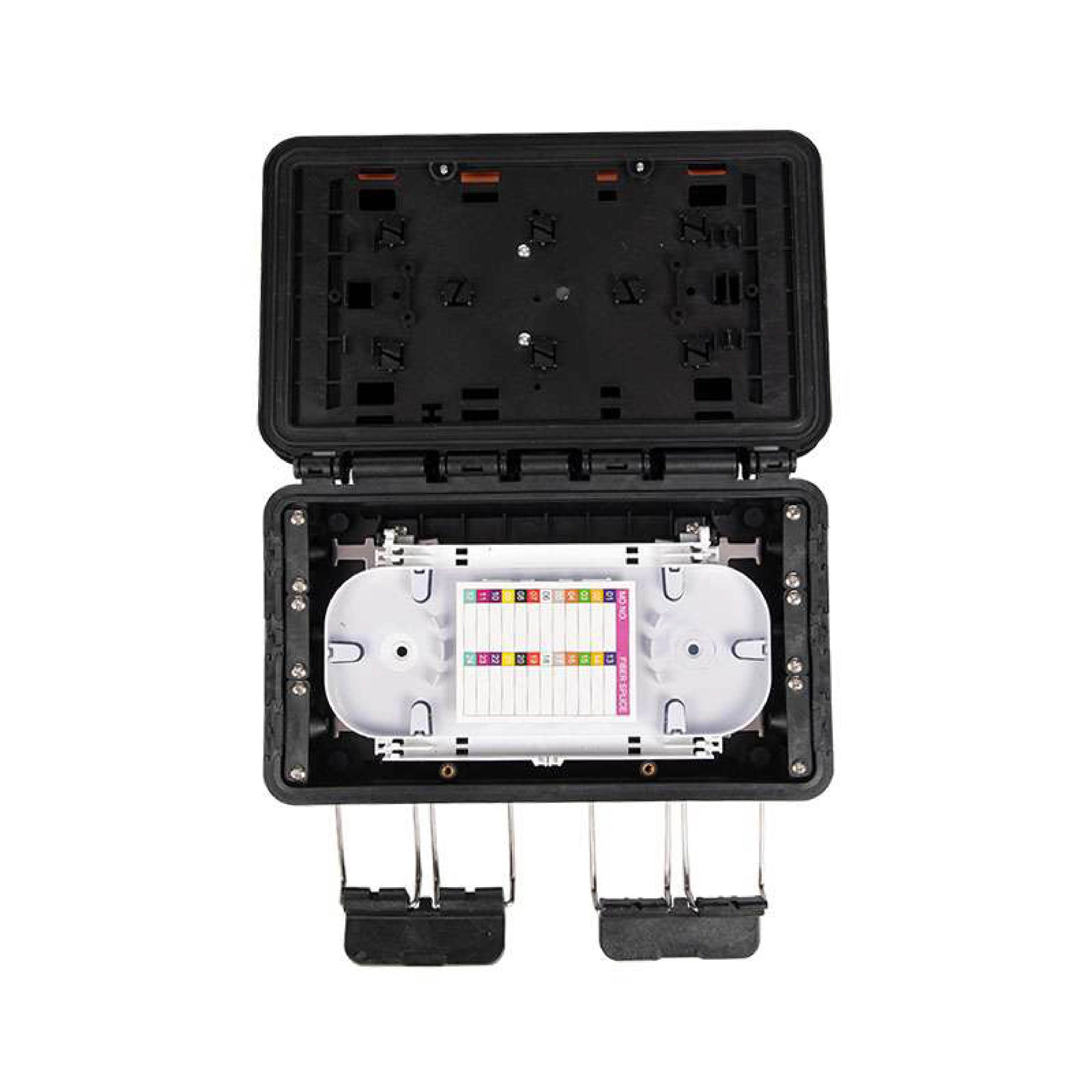
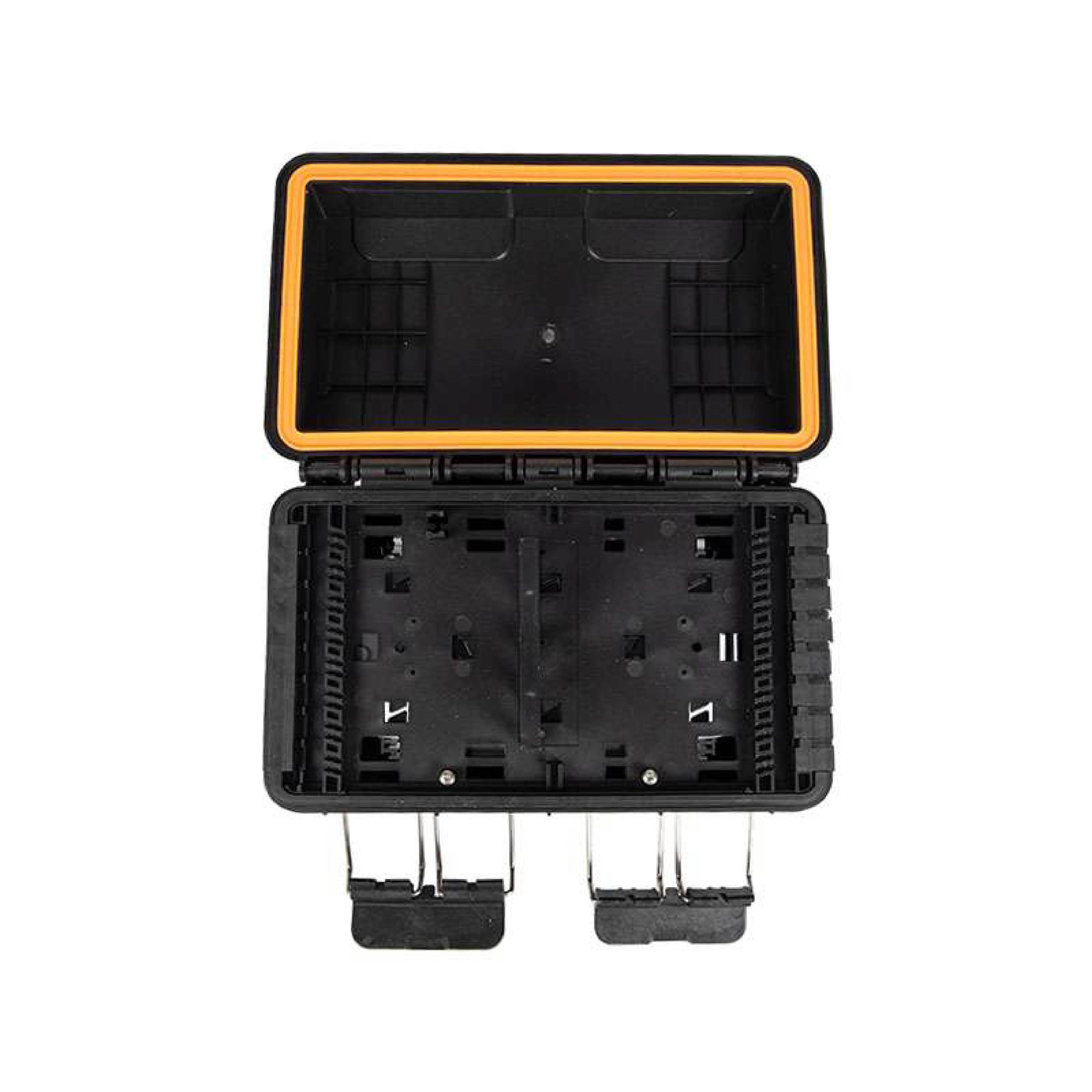
FTTH distribution boxes for nearby access networks
Cable clamps and suspension accessories for stable aerial deployment
ODN components for last-mile and distribution-layer expansion
In other words, tower growth does not only indicate mobile network expansion. It often reflects a broader demand for outdoor optical network infrastructure.
The Hidden Engineering Challenge Behind Tower Growth
From a project management perspective, the biggest challenge is not only building more sites. The real challenge is keeping the fiber network stable after deployment.
Latin America contains many difficult outdoor environments: coastal humidity, heavy rain, high UV exposure, mountain routes, dense urban corridors, and long rural spans. These conditions can directly affect fiber cable performance and enclosure reliability.
Poorly selected fiber products may lead to:
Cable sagging or excessive tension in aerial routes
Water ingress inside splice closures or distribution boxes
Fiber attenuation caused by bending or installation stress
Connector contamination in outdoor access points
Premature aging of cable jackets under UV and weather exposure
Higher maintenance costs after the project is handed over
For telecom projects, these issues are not small defects. They can affect network uptime, user experience, and long-term operating cost.
That is why procurement teams should evaluate fiber products not only by unit price, but also by outdoor durability, mechanical strength, sealing performance, and installation compatibility.
Fiber Products That Matter in Tower-Connected Networks
A tower-connected network usually involves multiple layers of optical infrastructure. Each layer requires different fiber products.
Outdoor Fiber Optic Cable
Outdoor fiber optic cable is used for long-distance network routes, metro access, rural broadband, and tower backhaul connections. It must be selected based on installation environment, tensile strength, sheath material, water-blocking structure, and expected service life.
For aerial routes, cable weight, span length, wind load, and installation tension should be considered before project rollout.
ADSS Fiber Optic Cable
ADSS cable is widely used in aerial deployment where the cable must be self-supporting without metallic strength members. It is especially useful for long-span routes, power-line environments, rural network construction, and backbone access links.
For Latin American projects, ADSS cable selection should consider span distance, wind speed, ice load if applicable, UV exposure, and sheath type.
Fiber Optic Splice Closure
A fiber optic splice closure protects fiber joints in outdoor environments. It is one of the most critical components in aerial, duct, and pole-mounted networks.
A reliable splice closure should provide strong sealing, mechanical protection, easy re-entry, and stable fiber management. For humid or rainy regions, waterproof performance is especially important.
FTTH Distribution Box
FTTH distribution boxes are used in access networks to distribute fiber to end users, buildings, communities, or small business areas. In tower-adjacent or rural broadband projects, they often support the last-mile connection layer.
Good distribution boxes should support clean cable routing, adapter protection, bend-radius control, and outdoor sealing.
Cable Clamps and Accessories
Cable clamps are often underestimated, but they directly affect aerial cable stability. Tension clamps, suspension clamps, brackets, and pole accessories help control cable position, sag, and long-term mechanical stress.
For ADSS and aerial fiber projects, choosing the right clamp system is part of the network reliability design.
What Procurement Teams Should Watch Before Network Rollout
Before sourcing fiber products for Latin American telecom projects, procurement and engineering teams should clarify several key factors.
First, confirm the installation environment. Aerial, duct, direct burial, and pole-mounted routes require different cable structures and accessories.
Second, check the real outdoor conditions. High humidity, UV exposure, coastal corrosion, heavy rain, and long-span routes may require stronger product specifications.
Third, evaluate the compatibility between cable, closure, box, and clamps. A reliable network is not built by one product alone. It depends on the coordination of the whole ODN system.
Fourth, avoid selecting products only by low price. In telecom infrastructure projects, the cheapest component can become the most expensive failure point if it causes maintenance, downtime, or rework.
Finally, request technical support before bulk procurement. Drawings, cable structure recommendations, span guidance, and product matching can reduce project risk before installation begins.
How Tuolima Supports Outdoor Fiber and FTTH Deployment
Tuolima provides fiber optic products and infrastructure solutions for telecom operators, contractors, ISPs, and network builders.
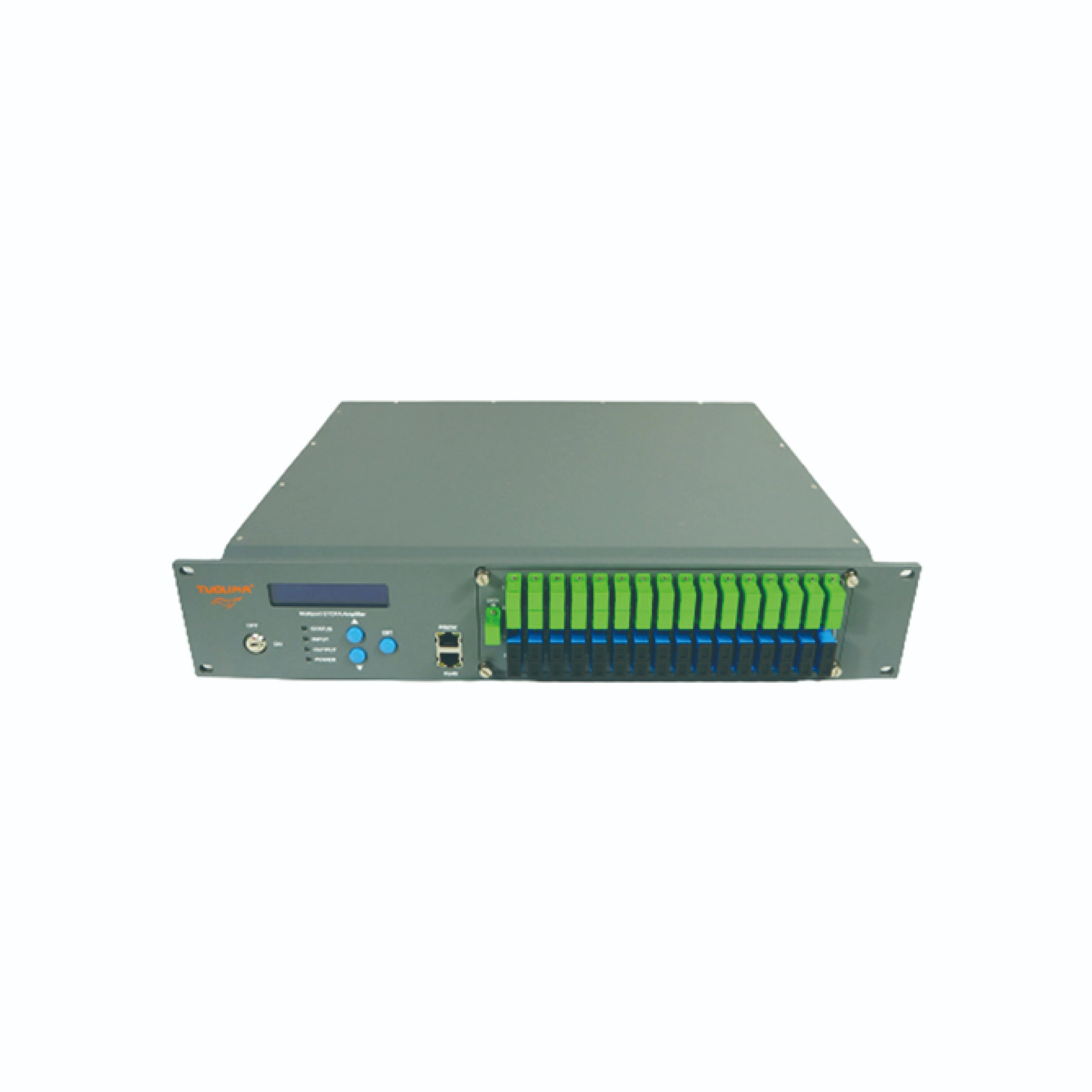
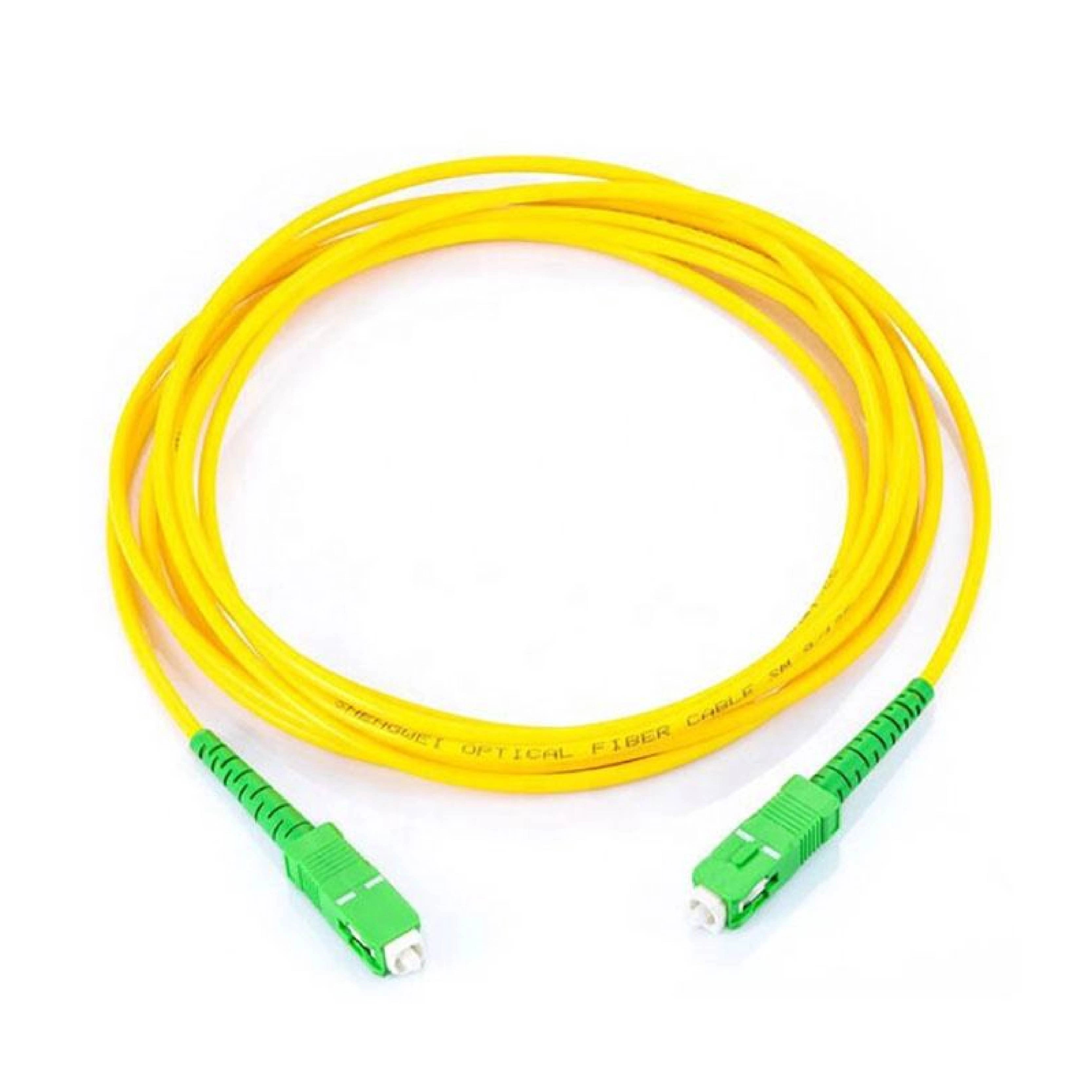
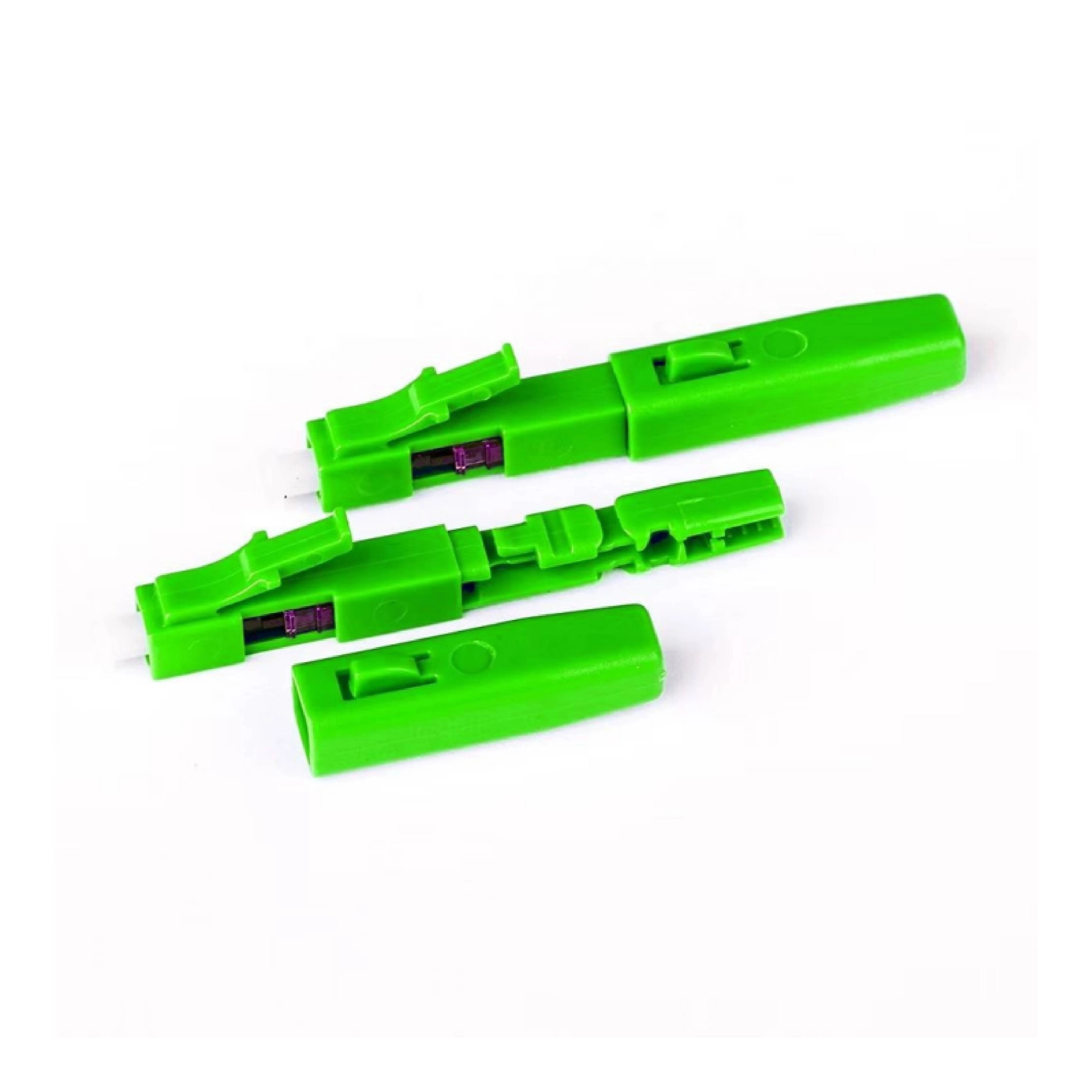
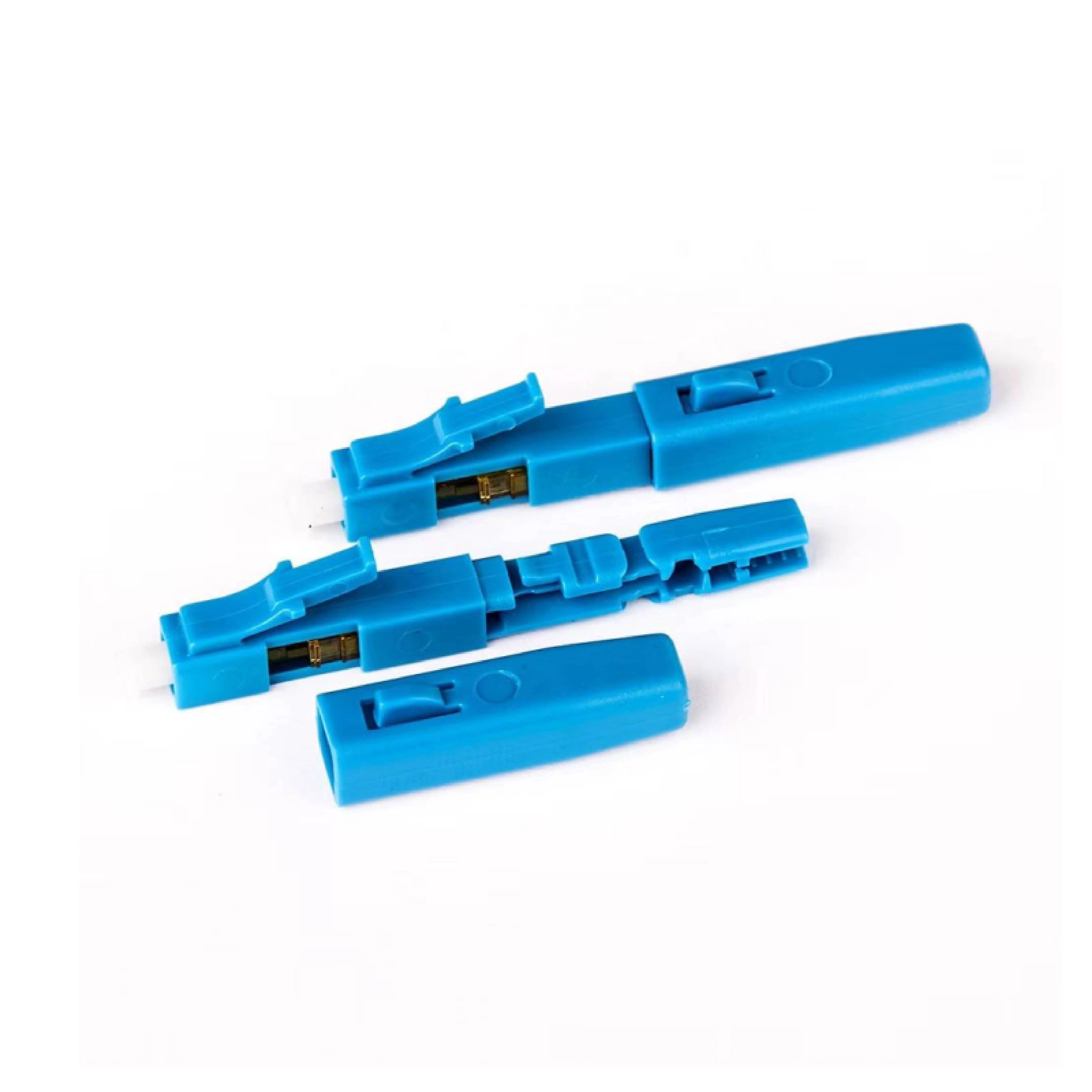
For Latin American outdoor network projects, Tuolima supports a wide range of products, including outdoor fiber optic cable, ADSS cable, fiber optic splice closures, FTTH distribution boxes, drop cable, pre-terminated fiber assemblies, and cable accessories.
Our focus is not only product supply. We help customers match products with actual deployment scenarios, including aerial routes, FTTH access networks, rural broadband projects, tower-connected fiber routes, and ODN construction.
As Latin America continues to expand telecom towers, mobile coverage, broadband access, and future 5G networks, the demand for reliable fiber infrastructure will continue to grow.
For project owners and procurement teams, the key question is no longer whether more fiber is needed.
The real question is: can the fiber network remain stable after years of outdoor operation?
That is where product quality, engineering compatibility, and reliable supplier support become critical.
FAQ: Fiber Infrastructure for Latin American Telecom Sites
1. Why does telecom tower expansion increase demand for fiber optic cable?
Telecom tower expansion increases the need for backhaul, fronthaul, and access network connections. Fiber optic cable is commonly used because it supports high bandwidth, low latency, long-distance transmission, and future network upgrades. As more tower sites are built or upgraded, operators and contractors need outdoor fiber cable, splice closures, distribution boxes, and ODN accessories to connect and protect the network.
2. What type of fiber optic cable is suitable for telecom tower backhaul?
The suitable cable depends on the route and installation environment. For aerial routes, ADSS fiber optic cable or other outdoor aerial fiber cables are often used. For duct routes, duct fiber optic cable may be more suitable. For harsh outdoor conditions, buyers should consider tensile strength, sheath material, water-blocking structure, UV resistance, span distance, and installation tension.
3. Why are fiber optic splice closures important in outdoor telecom networks?
Fiber optic splice closures protect fiber joints from water, dust, mechanical stress, and environmental exposure. In Latin American outdoor networks, where humidity, rain, UV exposure, and temperature changes can be common, reliable splice closures help reduce signal loss, maintenance cost, and network failure risk.
4. What products are usually needed for a tower-connected fiber network?
A tower-connected fiber network may require outdoor fiber optic cable, ADSS cable, fiber optic splice closures, FTTH distribution boxes, cable clamps, suspension clamps, tension clamps, drop cable, patch cords, and other ODN accessories. The final product list depends on whether the route is aerial, duct, direct burial, or FTTH access-based.
5. How should procurement teams choose fiber products for Latin American projects?
Procurement teams should evaluate the installation environment, climate conditions, required span length, cable structure, waterproof performance, mechanical strength, and compatibility between cable and accessories. For outdoor telecom projects, long-term stability is more important than choosing only the lowest unit price.