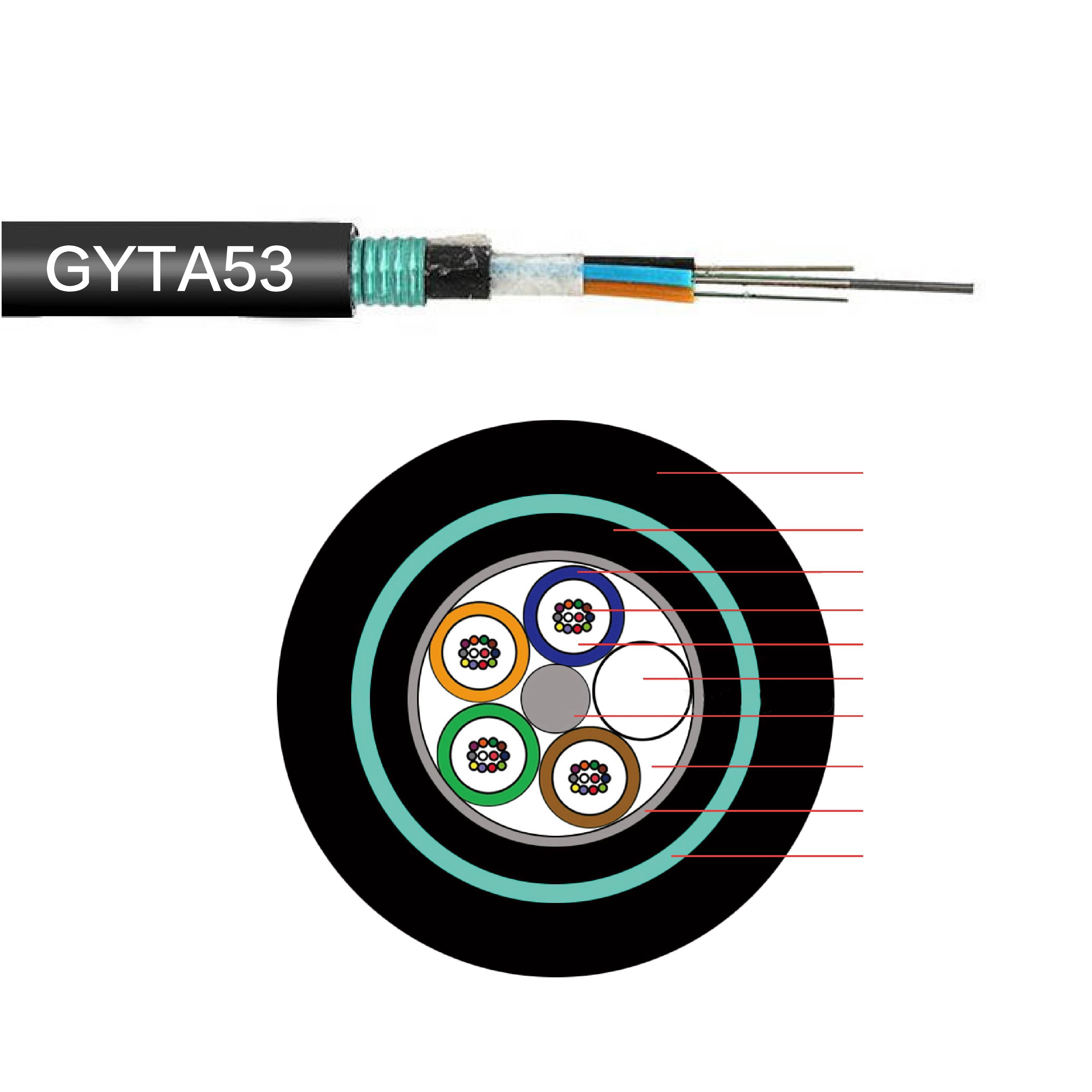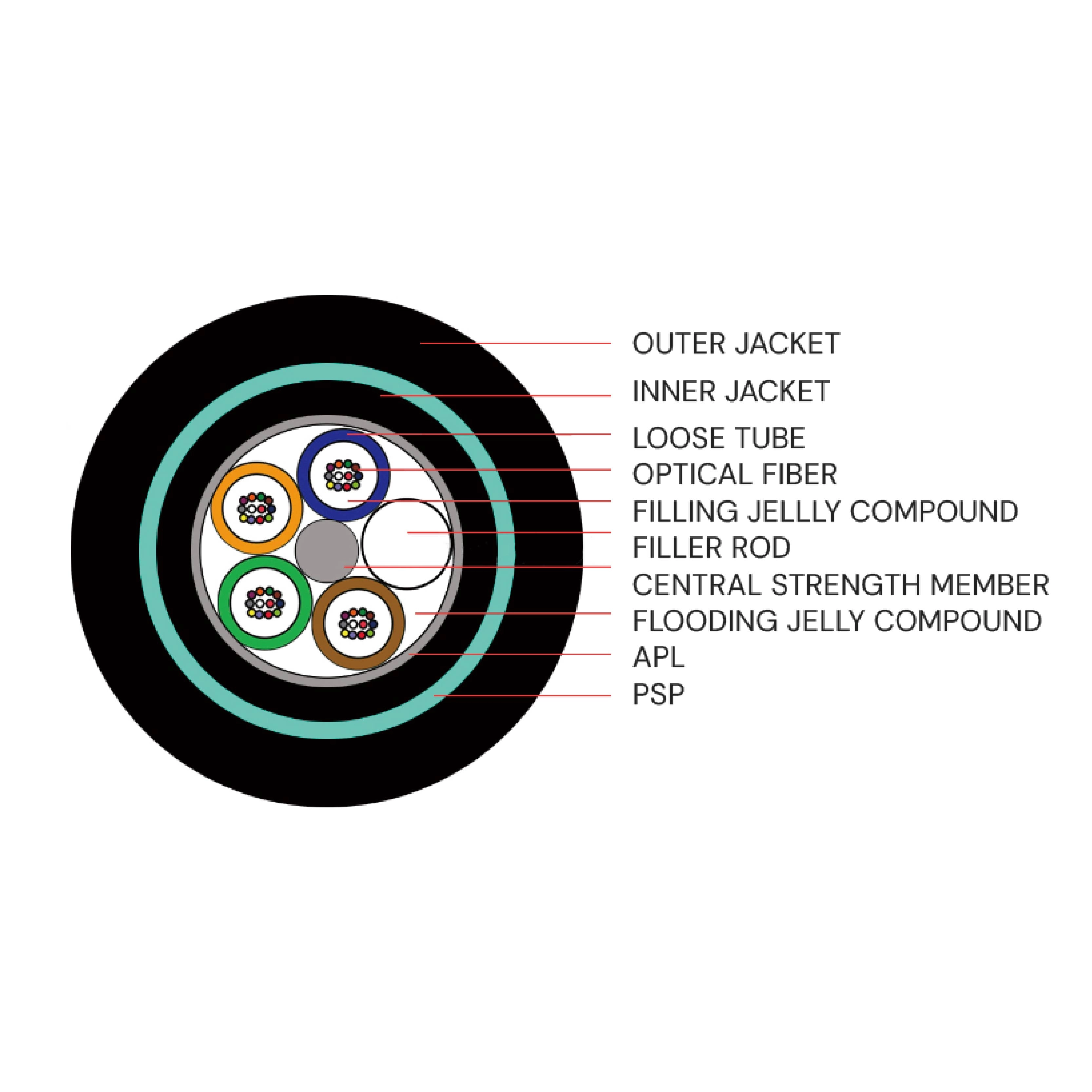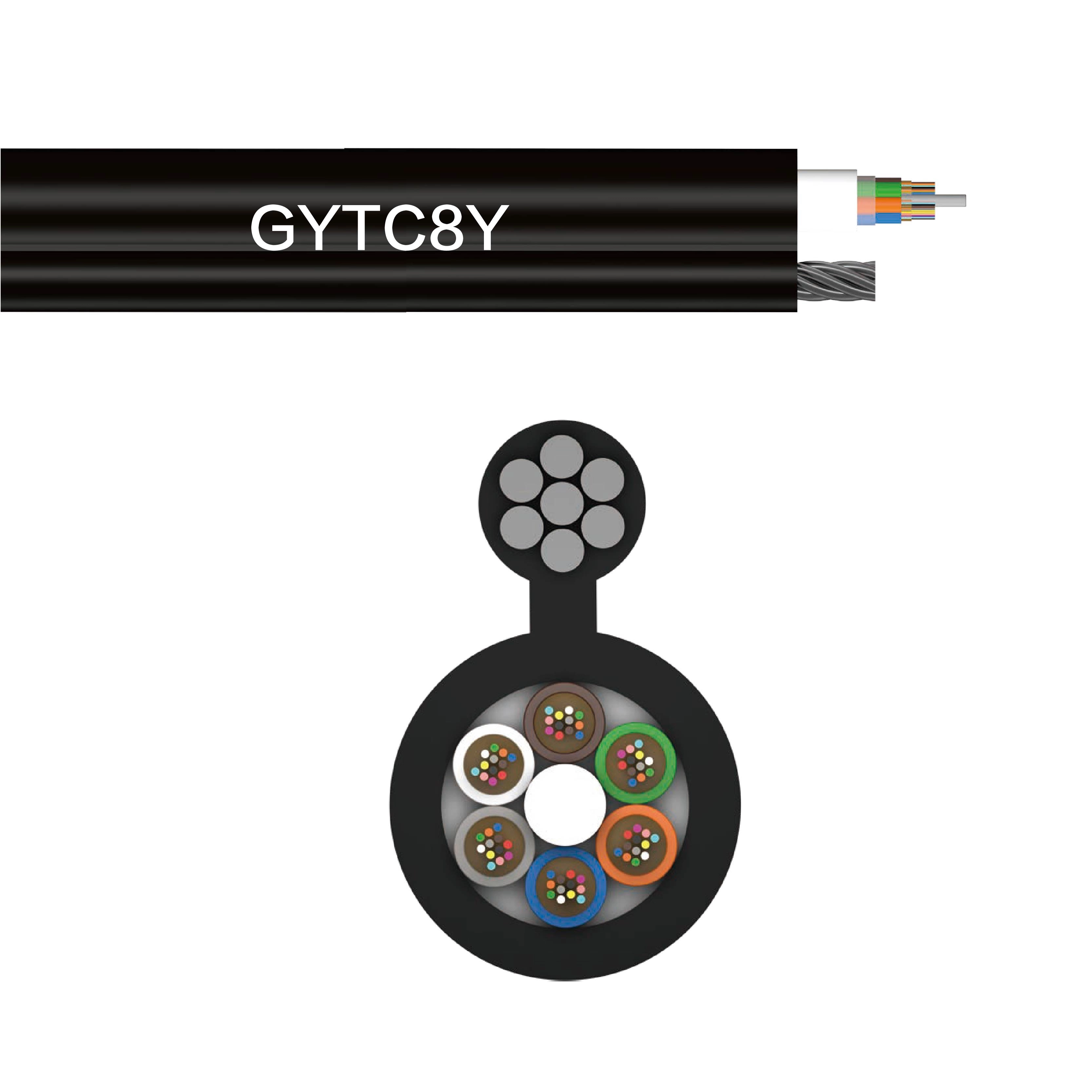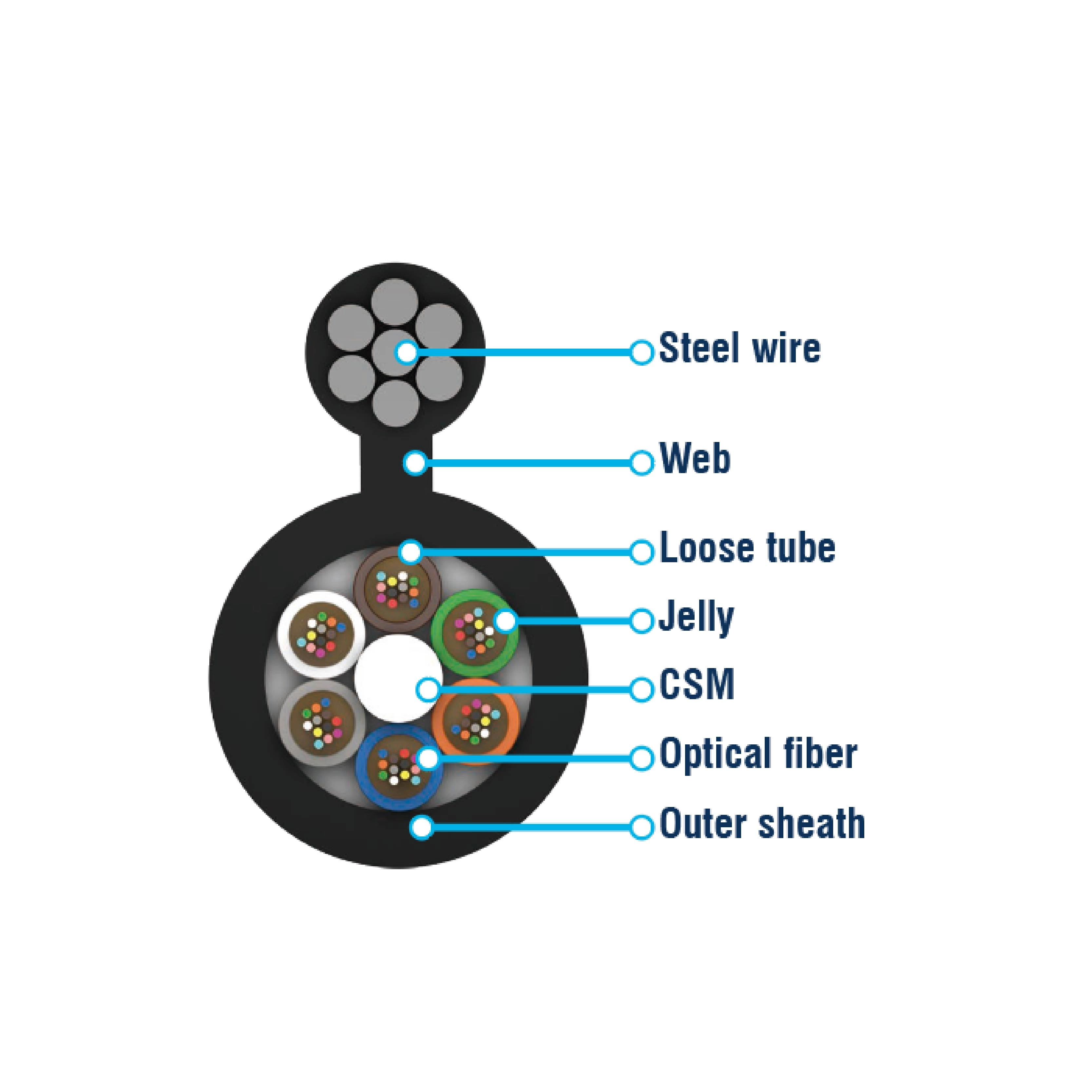

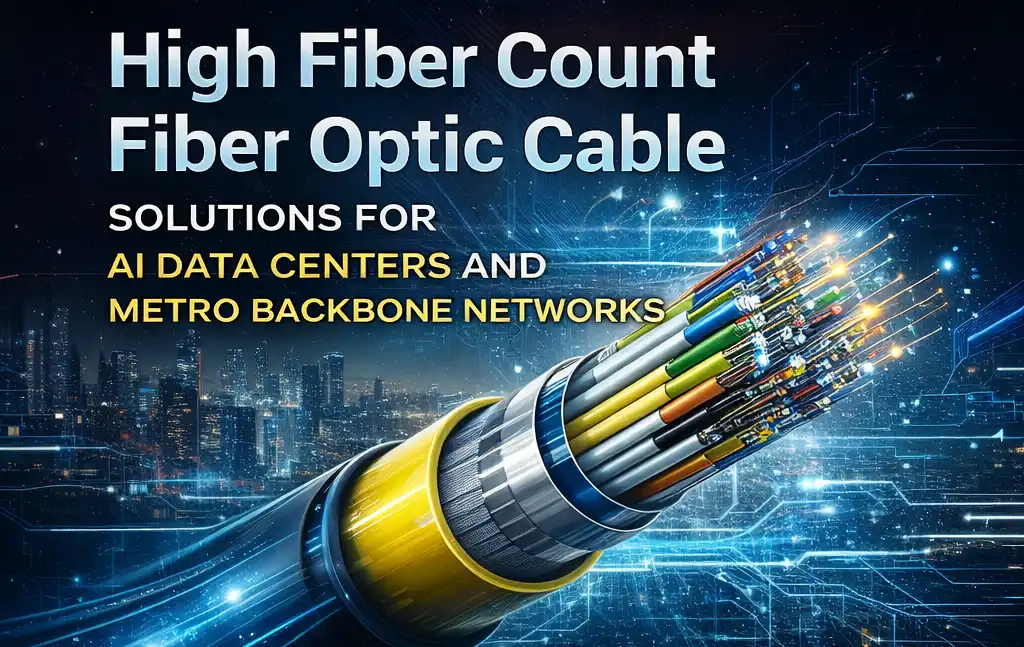
As AI computing clusters expand and metro backbone networks evolve toward higher transmission capacity, fiber infrastructure planning is increasingly constrained not by bandwidth, but by physical space and long-term scalability.
High fiber count fiber optic cables — typically 288 fibers and above — are becoming a structural solution for data center interconnection and high-density backbone deployment. In large-scale AI campus environments and core metro layers, configurations such as 576F, 864F, and 1000F+ are now deployed to support massive east-west traffic and long-term expansion requirements.
This article outlines the technical foundations of high fiber count cable design, examines deployment economics, and identifies the scenarios where these cables provide measurable infrastructure advantages.
What Is a High Fiber Count Fiber Optic Cable?
High fiber count fiber optic cables refer to cable designs that significantly increase fiber density within a limited cross-sectional area. While 144F cables remain common in access and traditional backbone networks, high fiber count designs typically begin at 288F and extend beyond 1000F for ultra-high-density applications.
These cables are engineered to:
- Maximize fiber count per duct occupancy
- Maintain mechanical reliability and tensile strength
- Ensure compliant bend radius performance
- Support efficient ribbon mass fusion splicing
They are primarily deployed in:
- AI data center campus interconnection
- Metro core node backbone links
- Duct-constrained routes such as tunnels and bridges
- High-capacity enterprise and 5G transport corridors
Why Fiber Density Is Becoming a Critical Constraint
In AI cluster environments and metro backbone upgrades, bandwidth scaling is no longer the primary bottleneck. Physical infrastructure limitations are increasingly decisive.
Network operators face several constraints:
- Limited duct and conduit availability in dense urban areas
- Rising civil construction and right-of-way costs
- Increased splicing workload when multiple cables are deployed
- Long-term scalability requirements for data center growth
Deploying multiple parallel 144F cables significantly increases duct occupancy and installation complexity. In many established metro corridors and campus environments, expanding duct infrastructure is impractical or cost-prohibitive.
High fiber count cable solutions address this constraint by increasing fiber density without proportionally increasing outer cable diameter, enabling scalable capacity within existing physical pathways.
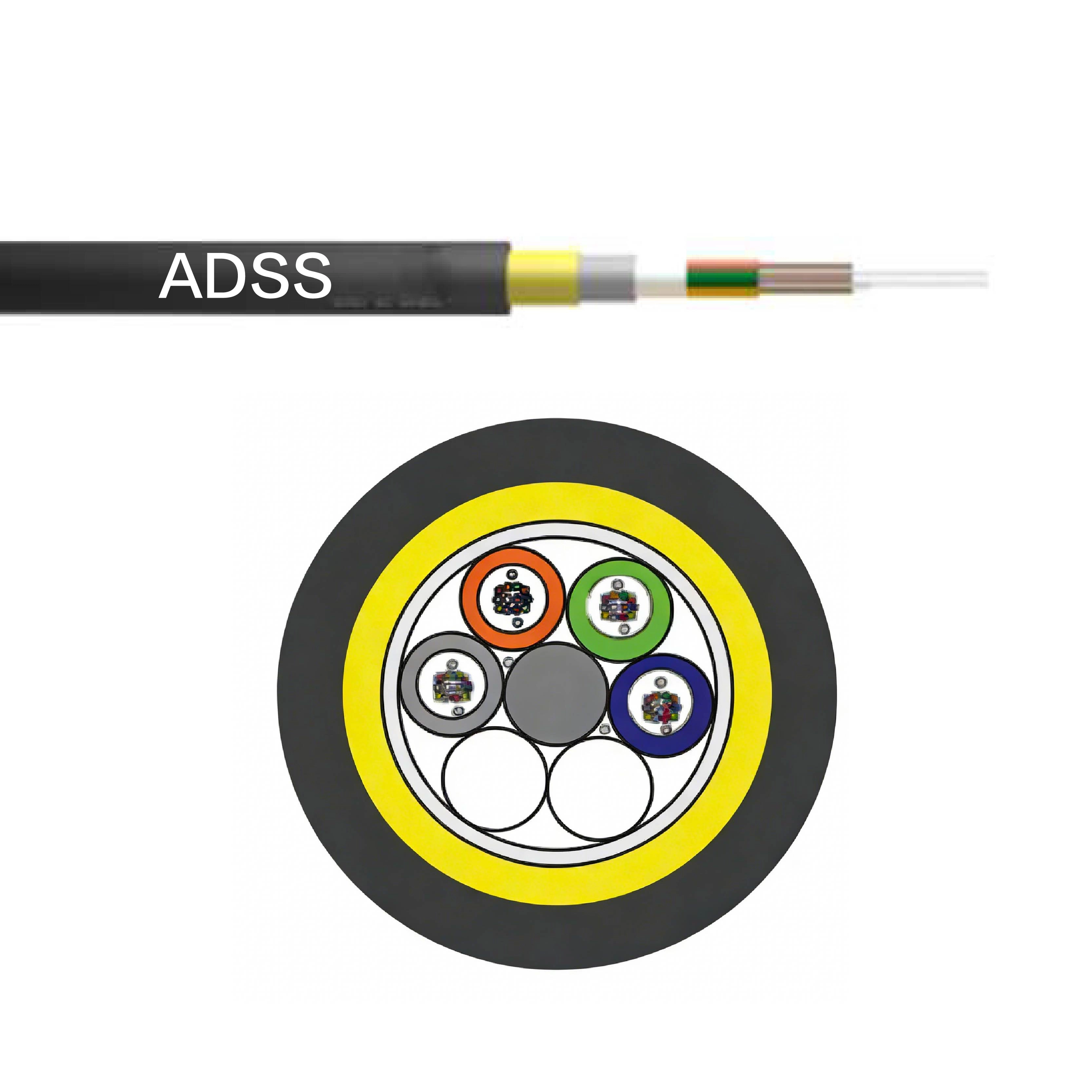
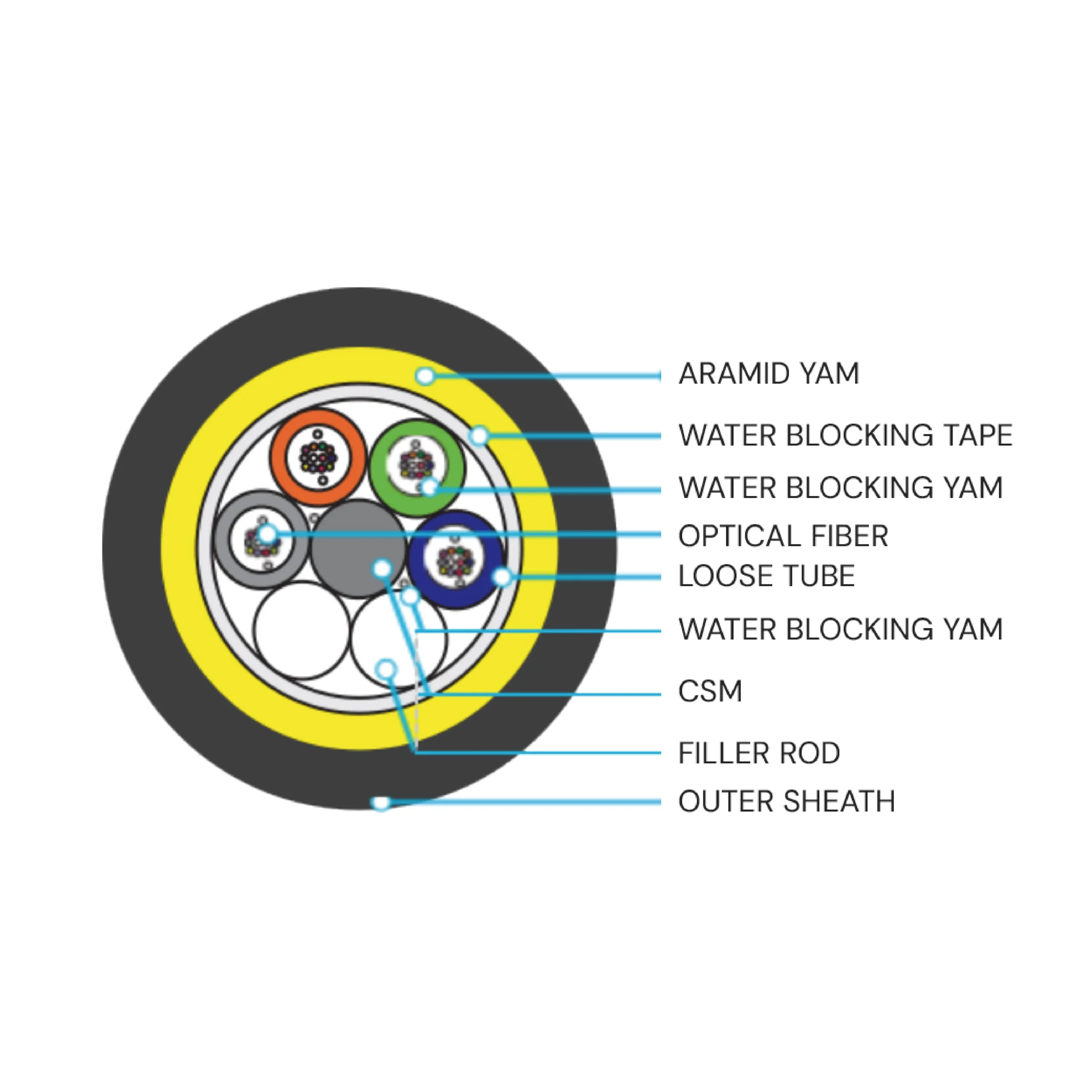
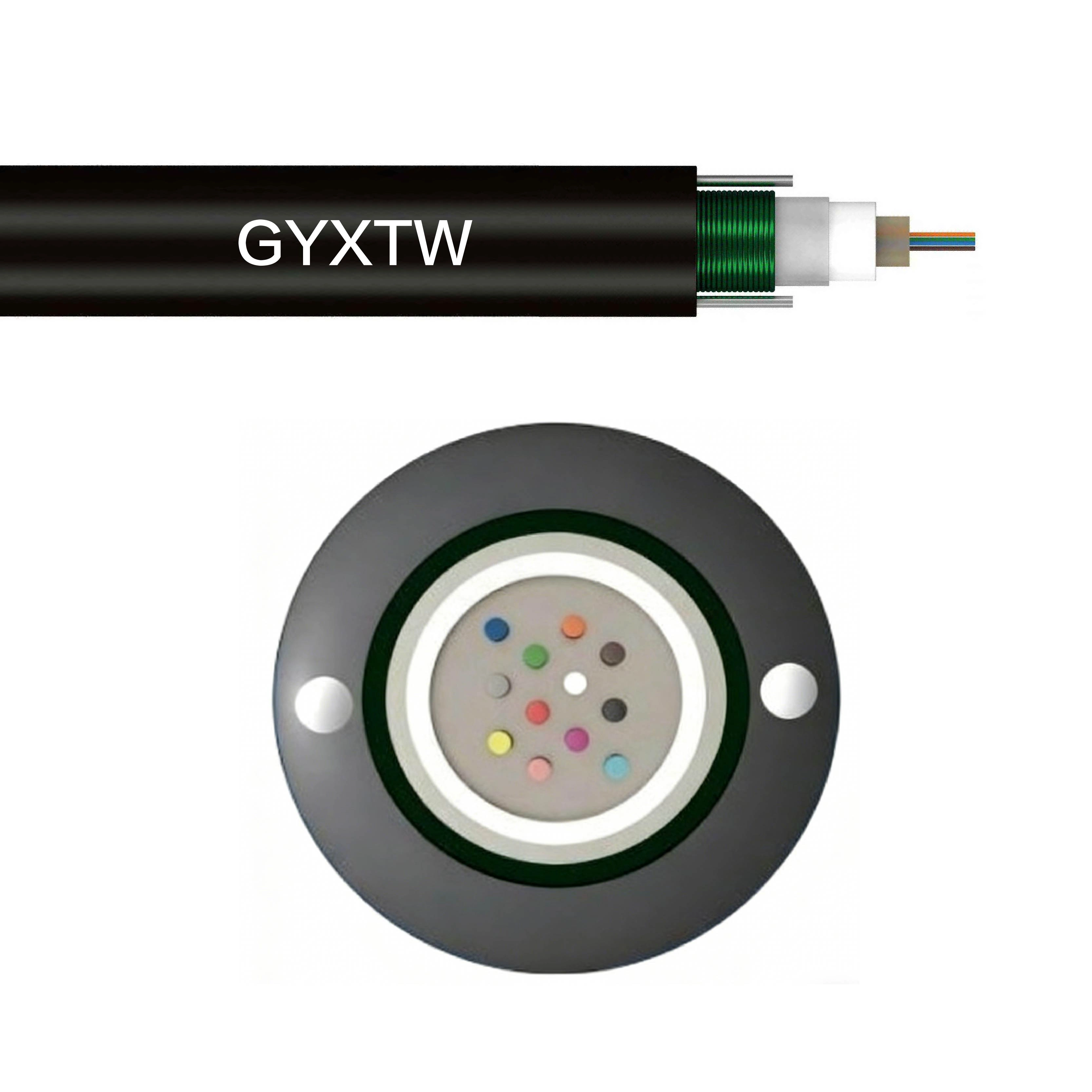
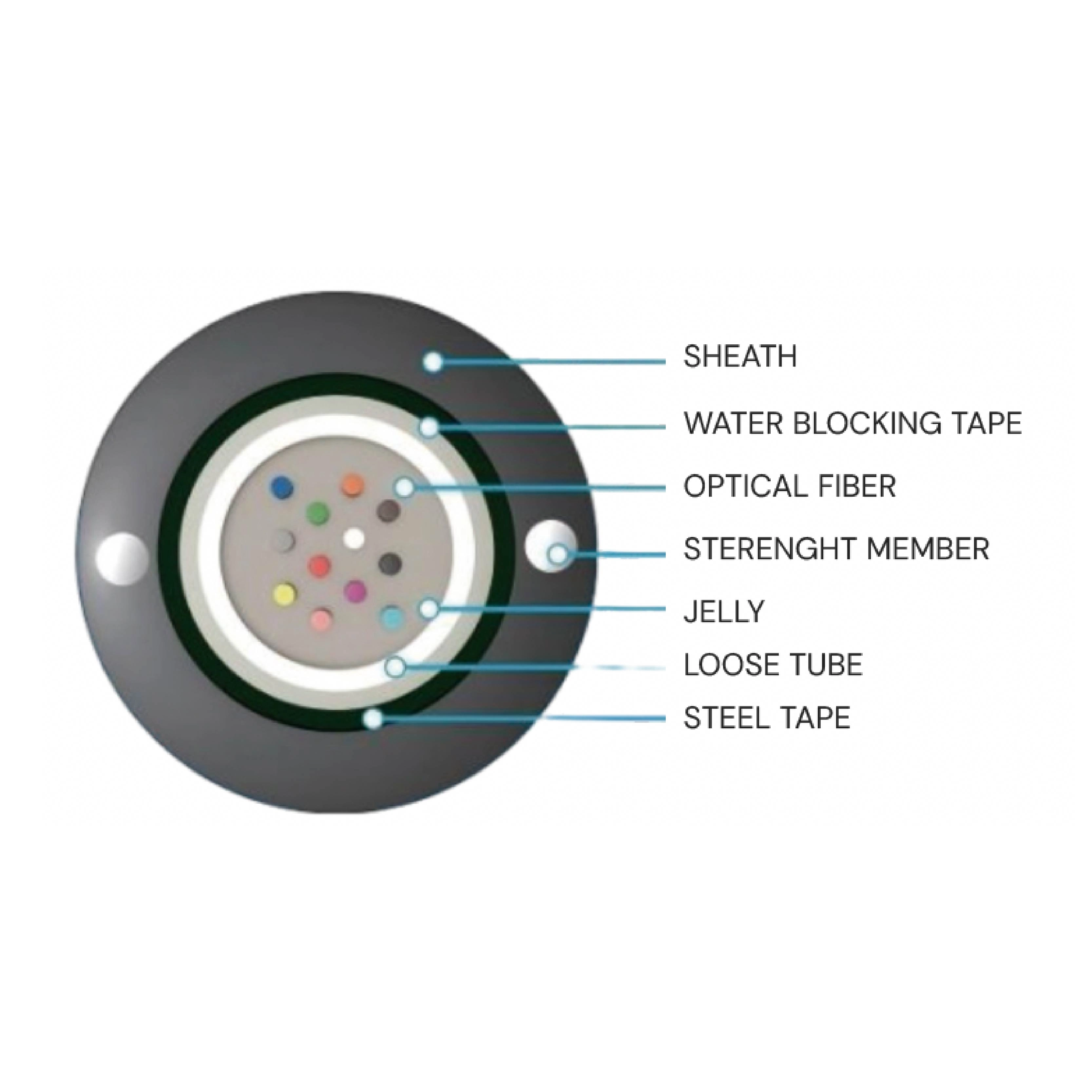
In large-scale telecom projects, using the correct cable type prevents installation bottlenecks.
Core Technologies Enabling High Fiber Count Design
Rollable / Partial Bonded Ribbon Fiber
Modern high fiber count cables commonly adopt partial bonded ribbon fiber, also known as rollable ribbon or spider web ribbon.
Unlike traditional flat ribbon fiber, partial bonding allows adjacent fibers to expand into a mesh structure while maintaining ribbon alignment for fusion splicing.
Key technical advantages include:
- Higher packing efficiency inside loose tubes
- Multi-directional bending capability
- Reduced internal void space
- Compatibility with ribbon fusion splicing equipment
This structure preserves mass splicing efficiency while improving flexibility compared to conventional ribbon constructions.
Ultra-Thin Flexible Loose Tube
To further optimize fiber density, ultra-thin loose tube designs are used, with wall thickness as low as 0.1–0.2 mm compared to conventional 0.25–0.8 mm structures.
This innovation enables:
- Reduced outer cable diameter
- Increased fiber count within the same duct space
- Improved flexibility during installation
- More efficient space utilization inside conduits
The combination of rollable ribbon fiber and ultra-thin loose tubes significantly increases fiber density per unit cross-sectional area.
Optimized Stranding Structures
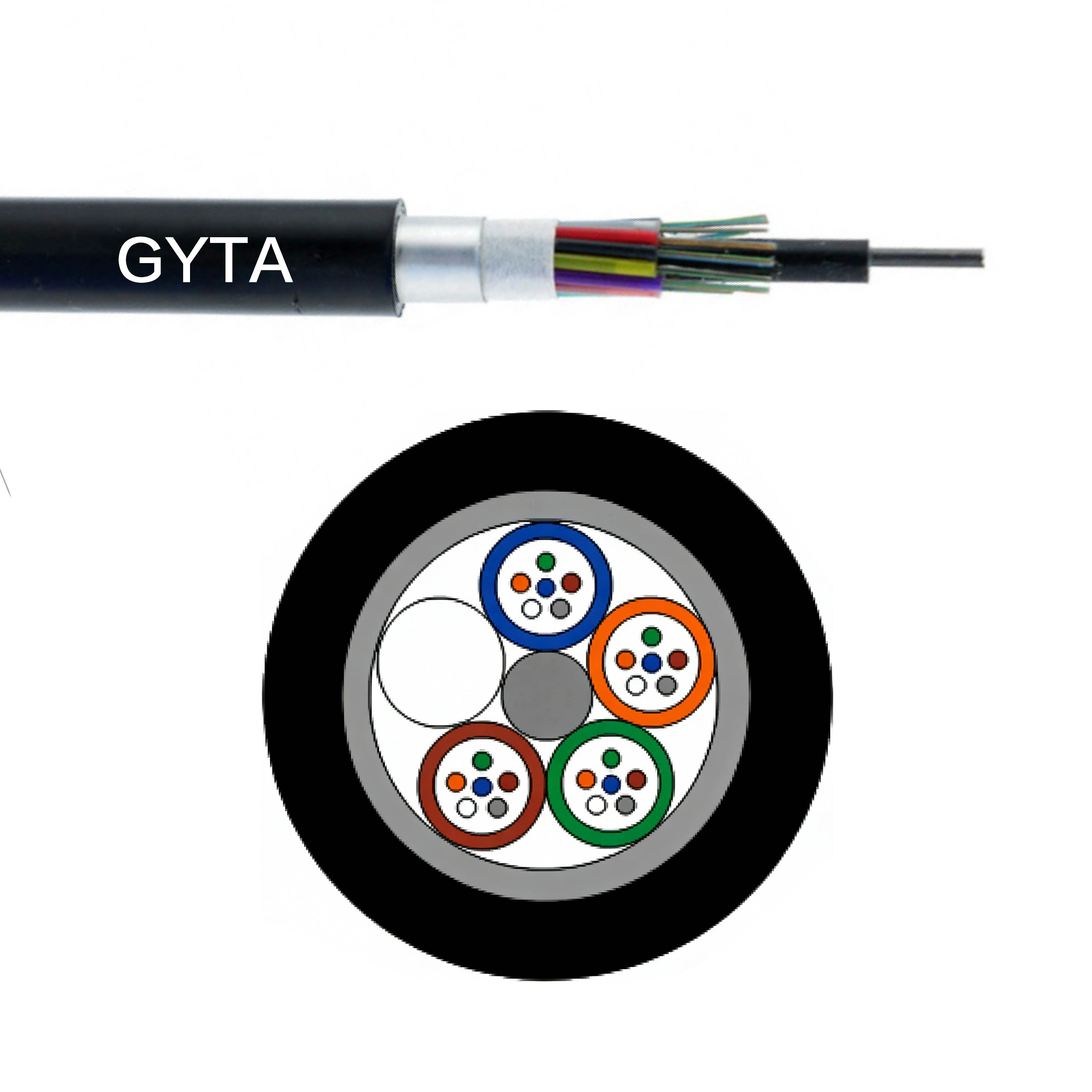
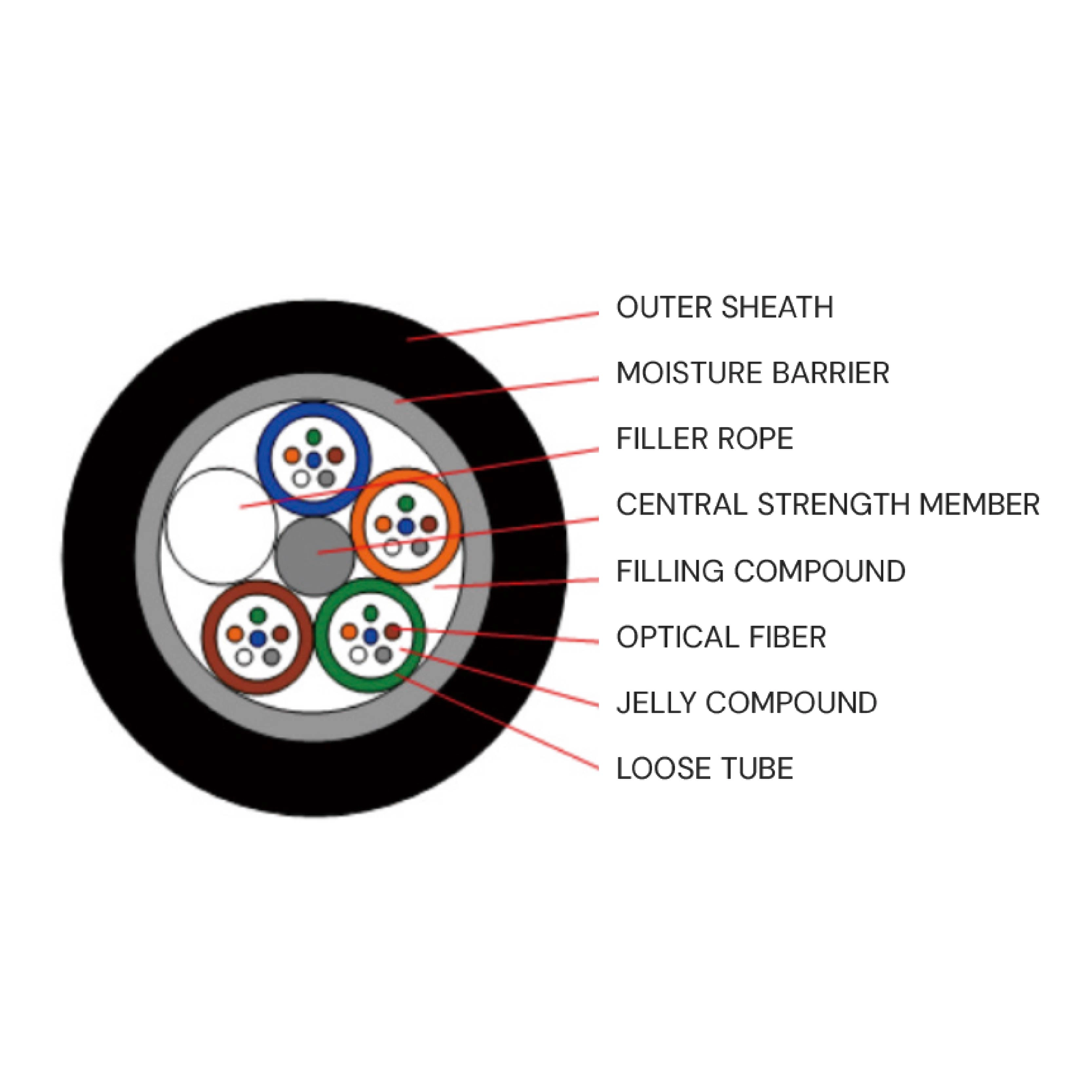
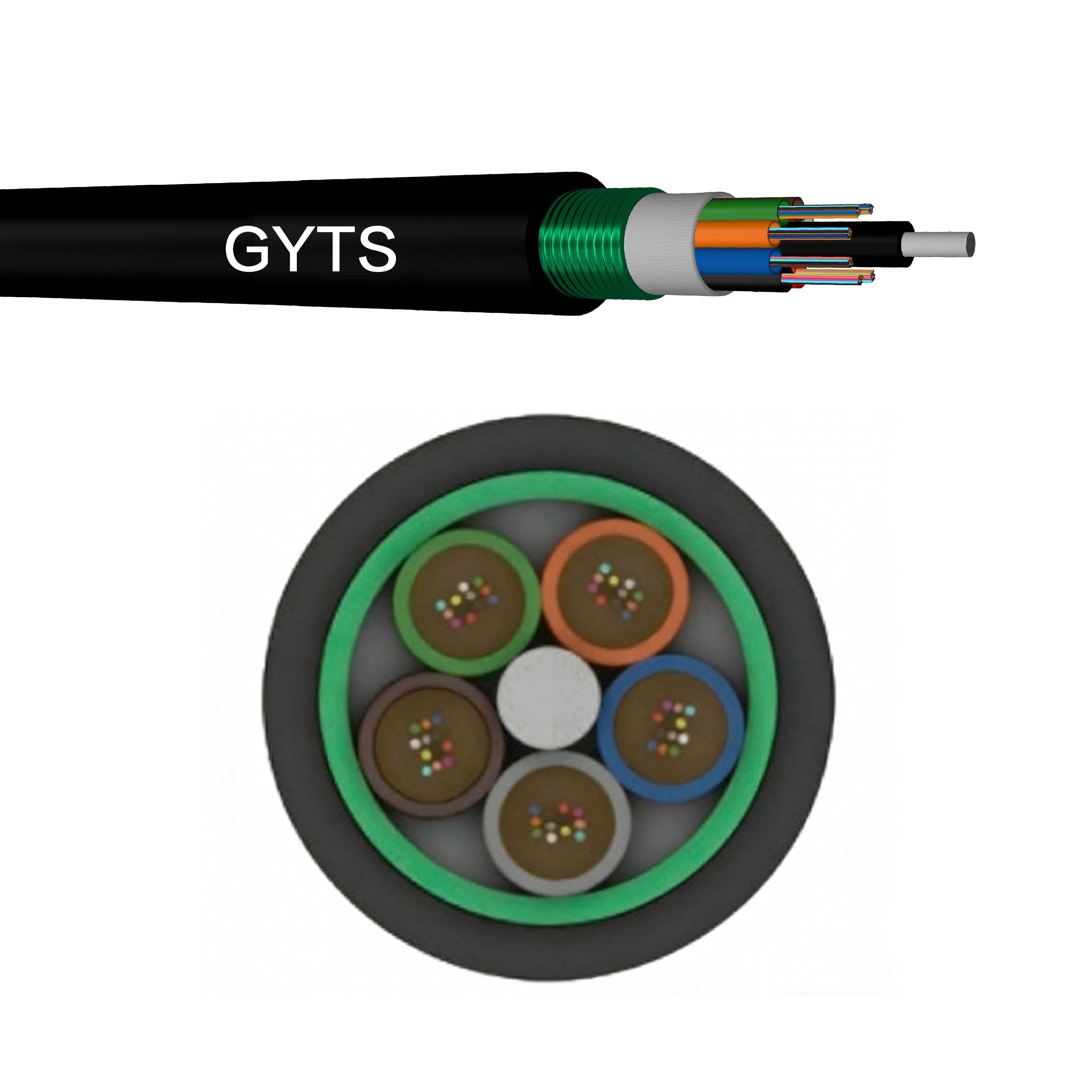
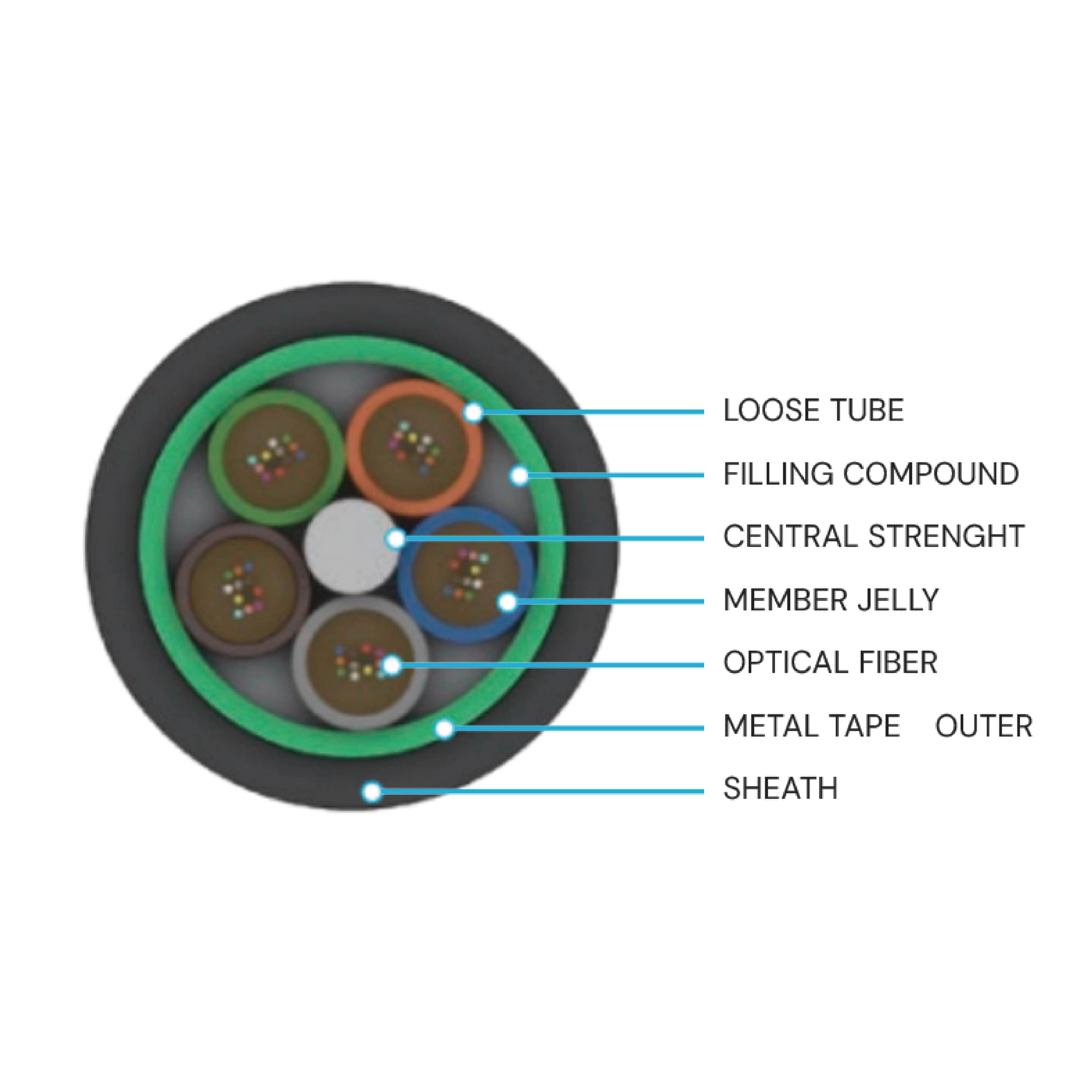
High fiber count cables are typically constructed using layer-stranded configurations due to their scalability and mechanical stability.
Common structural options include:
- Layer-stranded
- Central tube
- Skeleton structure (used in specific applications)
Among these, layer-stranded structures are widely adopted in metro backbone and data center interconnection deployments due to their balanced mechanical and density performance.
Cost Comparison: 4×144F vs 1×576F Deployment
Consider a 4 km backbone link between two core nodes.
A conventional approach using four 144F cables requires multiple pulling operations and increased cumulative splicing workload.
An alternative solution using one 576F high fiber count cable reduces installation complexity and resource consumption.
Deployment modeling typically indicates:
- Total investment can be reduced to approximately 62% of the multi-cable approach
- Duct occupancy may decrease by up to 75%
- Ribbon fusion splicing significantly lowers labor time and termination cost
These advantages are particularly significant in markets where labor cost and civil engineering expenses represent a major portion of total deployment investment.
Typical Application Scenarios
AI Data Center Campus Interconnection
AI clusters generate substantial east-west traffic between buildings. Fiber requirements are directly related to rack density, GPU cluster size, and network architecture. In some intelligent computing centers, fiber demand between two facilities can exceed several thousand cores.
High fiber count cables provide scalable interconnection capacity without repeated duct expansion or civil work.
Metro Core Node Interconnection
In many tier-1 and provincial capital cities, metro core layers were originally built with 144F infrastructure. As cloud services and enterprise connectivity demands increase, duct capacity becomes constrained.
Deploying 576F or higher configurations allows backbone scalability while minimizing physical infrastructure expansion.
Duct-Constrained Routes
Segments such as tunnels, large bridges, and shared infrastructure corridors often aggregate traffic from long-haul, metro, and access layers.
In such environments, total fiber requirements frequently exceed 288 cores. High-density cable solutions reduce physical congestion while preserving future expansion capability.
Strategic Considerations for Network Planners
When evaluating high fiber count fiber optic cable deployment, network planners should assess:
- Long-term traffic growth projections
- Existing duct and conduit availability
- Compatibility with ribbon fusion splicing equipment
- Scalability versus incremental parallel cable additions
High fiber count deployment is not merely a capacity upgrade. It is a structural optimization strategy for physical network infrastructure under space, cost, and long-term growth constraints.
Frequently Asked Questions
What fiber count is considered high fiber count?
In most backbone applications, 288 fibers and above are considered high fiber count. Configurations exceeding 1000 fibers are typically referred to as ultra-high fiber count cables.
Are high fiber count cables more difficult to install?
Modern designs using rollable ribbon and ultra-thin loose tubes improve flexibility and reduce outer diameter. With proper handling and standard installation procedures, deployment complexity is comparable to conventional backbone cables.
When should a network upgrade from 144F to 576F?
An upgrade should be considered when projected fiber demand approaches existing capacity limits, duct space becomes constrained, or large-scale data center interconnection is planned.